



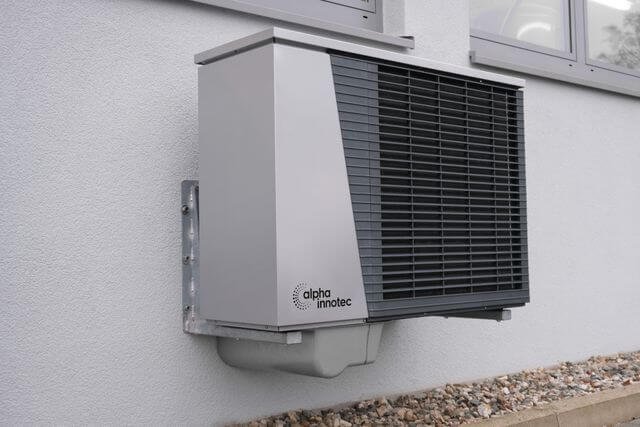
Seven out of ten Colorado households currently heat with natural gas. That number is about to look very different a decade from now. Across Denver, Boulder, and the Front Range suburbs, homeowners who thought a gas furnace was the obvious choice are calling installers and asking a question that would have seemed strange five years ago: “Can a heat pump actually handle Colorado winters?” The short answer is yes — and the reasons people are making the switch go well beyond environmental idealism.
The National Shift That’s Finally Hitting the Rockies
For a long time, heat pumps were treated as a Southern thing. Warm winters, mild shoulder seasons, no drama. The logic was that anything below freezing would send a heat pump into a performance tailspin, and nobody in Colorado wanted to gamble on that in January.
That reasoning is outdated. Cold-climate heat pump technology has moved fast, with modern inverter-driven systems rated to operate efficiently well below zero degrees Fahrenheit. The market numbers reflect it. According to the U.S. Census Bureau’s Survey of Construction, heat pump adoption in new single-family homes grew nationally from 23% in 2000 to 47% in 2024. You can see the full breakdown of new housing characteristics, including heating equipment by region, directly from the Census Bureau’s 2024 Characteristics of New Housing report. The Mountain West has lagged the South in adoption, but the gap is narrowing fast as more Colorado homeowners discover that the technology cold-weather critics warned them about simply isn’t the same product anymore.
The other thing worth noting: gas furnaces only heat. A heat pump heats and cools. For a Denver homeowner paying separately for a furnace and a central AC unit, that consolidation alone changes the financial math considerably.
The Cold Climate Calculus Framework
Here’s a practical way to think about whether a heat pump makes sense for your Colorado home. Call it the Cold Climate Calculus: three variables that, taken together, tell you more than any single spec sheet will.
Variable 1: Your heating load profile. Colorado’s climate is not uniformly harsh. Denver averages roughly 150 days per year where temperatures drop below freezing, but sustained days below 0°F are rare. Most modern cold-climate mini-split systems operate at rated efficiency down to about 5°F and continue producing heat (at reduced output) to minus 13°F or lower. For the vast majority of Front Range winters, a properly sized heat pump covers the full load without a backup strip heater kicking in more than a handful of times per season.
Variable 2: Your current grid mix. A heat pump’s environmental case rests partly on how clean the electricity powering it actually is. Colorado’s grid has been changing rapidly. In 2023, renewable energy sources accounted for 39% of Colorado’s total in-state electricity net generation, with wind power making up 70% of that renewable generation, according to the U.S. EIA (June 2024). The Colorado Public Utilities Commission publishes updated energy rankings each year; the 2025 Colorado Energy National Rankings report shows the state is targeting more than 85% emissions reductions in the power sector by 2030. As the grid gets cleaner, every kilowatt-hour your heat pump uses gets cleaner too. A gas furnace has no equivalent upside: it burns the same fuel and produces the same emissions on day one as it does on day 3,000.
Variable 3: Your duct situation. This is where people underestimate their options. If your home has existing ducts in decent shape, a whole-home ducted heat pump system is a straightforward swap. If it doesn’t, or if you have problem rooms with poor airflow, ductless mini-split systems solve both issues simultaneously. Ceiling cassettes are a particularly elegant option for open-plan spaces that traditional HVAC always underserves.
A Scenario With Real Numbers
Picture a 1,980-square-foot two-story in Lakewood, built in the early 1990s, running a 17-year-old gas furnace and a window AC unit in the master bedroom. The homeowner gets a site assessment and learns the home is a solid candidate for a two-zone ductless system: one unit covering the main living area, one upstairs. Total installed cost before any rebates lands around $8,500.
The window AC disappears. The gas line for heating goes dormant. Monthly energy bills in peak winter months drop because the heat pump moves heat rather than generating it, and Colorado’s residential electricity rate of 15.85 cents per kWh sits about 8.4% below the national average, according to EIA data reported by RateWatt for 2025. That rate advantage matters when electricity is now doing the work a gas bill used to cover.
This is not a theoretical scenario. It’s the conversation happening in living rooms across the Front Range right now.
What to Actually Look For in a Colorado Installer
Product quality matters, but installation quality matters more. A premium inverter system installed carelessly performs worse than a mid-range system installed correctly. When you’re evaluating contractors, the questions that separate experienced heat pump specialists from general HVAC outfits are straightforward:
- Do they perform a Manual J load calculation, or do they size by rule of thumb?
- Do they offer both ducted and ductless configurations, or push one product type for every home?
- Do they have documented experience with cold-climate systems specifically?
- Can they walk you through current rebate programs and help you apply?
That last point is practical. Rebates from Xcel Energy and other utilities have historically offset a meaningful portion of upfront costs, and a contractor who tracks those programs actively is worth more than one who hands you a pamphlet and wishes you luck.
“Ductless systems are not just an alternative to central HVAC — in older homes without existing ductwork, they’re often the superior solution in both comfort and cost.” — A consensus position reflected across the heat pump installer community and echoed in contractor training materials from major manufacturers including Daikin and Mitsubishi Electric.
If you’re on the Front Range and want to work with a team that focuses exclusively on this technology, The Heat Pump Store Colorado covers the Denver metro and surrounding communities with ductless installation, whole-home ducted systems, ceiling cassettes, and repair services.
The One Objection That Still Deserves a Real Answer
Upfront cost. It’s the honest sticking point. A heat pump system does cost more to install than replacing a gas furnace in kind. Nobody should pretend otherwise.
But the comparison that matters isn’t heat pump versus furnace in isolation. It’s heat pump versus furnace plus a cooling system, because cooling is not optional in Colorado summers. When you combine the two functions into one system, the cost gap shrinks considerably. Add in utility rebates, the longer serviceable life of a quality inverter system compared to a conventional furnace, and the absence of a gas bill in shoulder seasons when the heat pump handles both heating and cooling on electric rates, and the break-even calculation becomes genuinely competitive.
That math works differently for every home. A load calculation and a site assessment are the only honest way to find your number. But for a growing number of Colorado homeowners, the math is working out.
Where This Is Heading
Colorado’s grid is getting cleaner by the year. Cold-climate heat pump performance has crossed a threshold where winter performance objections no longer hold up against the data. National adoption numbers show a market that has nearly doubled its share in new construction over two decades, and the retrofit market is following. The question for most Colorado homeowners is no longer whether heat pumps work here. It’s whether they want to make the switch before their next major HVAC replacement forces the decision anyway.
What would it take for you to make the switch on your own terms, before the furnace makes the decision for you?