



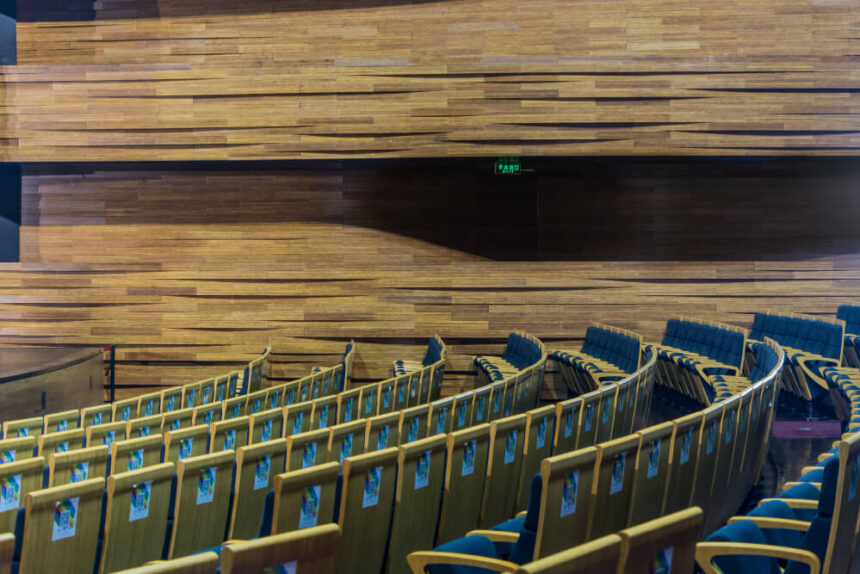
Elevated seating is a game-changer, whether you’re outfitting a local sports field or a high-end event venue. But it’s not enough to just stack benches to make it work. You need to find a balance between making sure the structure is strong. If you want a setup that actually works, here are six non-negotiable factors to consider before you break ground.
1. Safety and Structural Stability
When you’re dealing with height, there is zero room for error. An unstable platform doesn’t just feel flimsy—it poses a genuine liability. You need to look beyond the basic frame.
To keep accidents from happening, you need to use high-friction, non-slip surfaces and strong guardrails. Good materials and professional installation are what give you real peace of mind because they make sure the structure doesn’t just stand but stays rock-solid for years to come.
2. Material Quality and Durability
The materials used dictate the lifespan of your seating. If your project is outdoors, cheap materials will quickly degrade due to rust, UV damage, and general wear. You need materials that can weather the storm.
For instance, aluminium grandstands are often the gold standard here. They are incredibly lightweight, naturally resistant to corrosion, and require almost zero maintenance. Choosing the right alloy today saves you from an expensive replacement project five years down the road.
3. Comfort for Users
Comfort is what transforms a “seat” into an “experience”. If your audience is shifting in their seats every five minutes, they aren’t focusing on the event.
Consider the width of the seat, the back support, and the distance between the rows. Additionally, it is essential to have sufficient legroom and easy access to the seats. You are creating more playful, welcoming, and enjoyable spaces if you are concerned with comfort.
4. Space Planning and Layout
When it comes to having elevated seating, planning is absolutely necessary. Without a clear structure, you will likely have empty, unused space.
To learn about the space and make sure it’s laid out well, you can look at how people will move around in it. You should make sure that there is enough room for walkways, entry points, and emergency exits. If you have the right plan, you can build as much as you want without any risk.
5. Accessibility and Inclusivity
It is necessary to have elevated seating in order to accommodate mobility. In the absence of measures to improve accessibility, access will be severely limited.
You should have ramps, designated seating areas, and clear pathways. These things make the space more inclusive and easier to navigate. You will guarantee that everyone will feel the same overall by making sure that everyone can benefit from accessibility.
6. Maintenance and Long-Term Costs
Finally, maintenance is a significant factor to take into account. There are certain seating systems that require routine maintenance, which will cause their costs to increase over time.
Keeping this in mind, you should search for materials and designs that are resistant to damage and simple to clean effectively. Regular inspections are a simple method that can be utilised to prevent minor issues from developing into major issues. If you do it correctly, your seating will be beautiful and functional for a good number of years to come.
Plan Elevated Seating With Purpose
Indeed, having elevated seating can be advantageous in many ways; however, it is only effective when it is implemented correctly. It is beneficial for the user to have a location that is secure, comfortable, and easily accessible. All of these things, as you are already aware, make your space better and more enjoyable.