



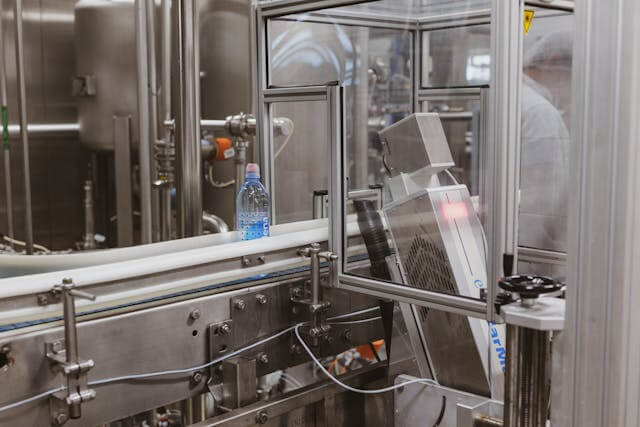
In automated packaging, efficiency starts before filling, capping, or labeling. Bottles need to enter the line in the right position, at the right speed, and with enough consistency to support everything that happens next. That is where unscrambling equipment becomes essential. A PET bottle unscrambler helps organize randomly oriented containers and deliver them to the production line in a controlled flow. For manufacturers working with PET bottles, understanding how this machine works can make it easier to evaluate line performance and choose the right equipment.
Why Bottle Orientation Matters at the Start of the Line
The role of a PET bottle unscrambler may seem simple at first, but it has a major effect on packaging efficiency. When bottles enter a line in the wrong position or with inconsistent spacing, downstream equipment has to compensate. That can lead to jams, slowdowns, misfeeds, and unnecessary operator involvement. Proper orientation at the front of the line helps the rest of the system run with more consistency. In high speed production, that stability is not a small advantage. It is part of what keeps filling, capping, and labeling equipment working smoothly from start to finish.
What a PET Bottle Unscrambler Is Designed to Do
A PET bottle unscrambler is built to take containers that have been loaded in bulk and sort them into a single, properly oriented stream. Bottles usually enter the machine in random positions. Some may be upside down, sideways, or grouped unevenly. The purpose of the unscrambler is to separate them, align them correctly, and send them out in an organized way for the next stage of packaging. This reduces the need for manual bottle handling and creates a more automated production process overall.
The Process Starts With Bulk Bottle Loading
The first step usually involves feeding a large number of empty PET bottles into the machine’s hopper or accumulation area. Instead of placing bottles onto the line one by one, operators can load them in bulk. From there, the machine begins the sorting process. Internal movement systems guide the bottles toward the orientation mechanism at a controlled pace. This is one of the biggest operational advantages of the machine. It replaces repetitive manual work with a steady automated feed that supports higher production efficiency.
How the Machine Separates and Orients Bottles
Once the bottles move into the active part of the unscrambler, the machine starts separating and orienting them. Different systems do this in different ways, but the goal is the same. The machine identifies which bottles are correctly positioned and which are not, then guides them into the proper orientation before release. Bottles that are not aligned correctly are redirected and cycled back through until they enter the line properly. This step is what turns a random bulk supply into a usable, single file stream ready for packaging.
Why PET Bottles Need Controlled Handling
PET bottles are lightweight and widely used, which makes them efficient for production but also easy to misalign if bottle flow is not controlled well. Because they are lighter than many other containers, they can tip, jam, or shift more easily when movement becomes uneven. That makes consistent handling especially important. An unscrambler helps reduce this risk by feeding PET bottles in a stable, repeatable way. The machine is not just sorting containers. It is creating the controlled bottle presentation that the rest of the packaging line depends on.
What Happens After the Bottles Leave the Unscrambler
After bottles are oriented correctly, they exit the machine in a consistent path toward downstream equipment. At this point, they are usually transferred onto a conveyor that feeds the filler or the next stage of the line. Because the bottles are already aligned and spaced more evenly, downstream machines can operate with fewer interruptions. That matters for fill accuracy, cap placement, label positioning, and overall line rhythm. The value of the unscrambler becomes especially clear here, because it supports better performance across multiple stages of production.
Efficiency Gains Go Beyond Labor Savings
One of the most obvious benefits of a bottle unscrambler is reduced manual labor, but the advantage goes further than that. A better bottle feed improves throughput, reduces stoppages, and makes the line easier to manage. Operators spend less time correcting bottle flow issues and more time focusing on production quality. Over time, this can improve daily output and reduce avoidable downtime. In a modern packaging environment, front end automation often has a bigger effect on total line efficiency than many manufacturers expect.
Choosing the Right Unscrambling Equipment Matters
Not every unscrambling machine is right for every operation. PET bottle size, shape, production speed, and line layout all affect what type of equipment will work best. A machine has to do more than move bottles quickly. It must match the containers, the pace of production, and the performance needs of the rest of the packaging system. Manufacturers that evaluate these factors carefully are more likely to invest in equipment that supports reliable production instead of creating new bottlenecks.
Conclusion
A PET bottle unscrambler works by taking bulk loaded bottles, separating them, orienting them correctly, and feeding them into the packaging line in an organized flow. That process may happen at the beginning of production, but its impact reaches every stage that follows. When bottles enter the line correctly, the full system performs better. That is why unscrambling equipment plays such an important role in efficient PET bottle packaging.