



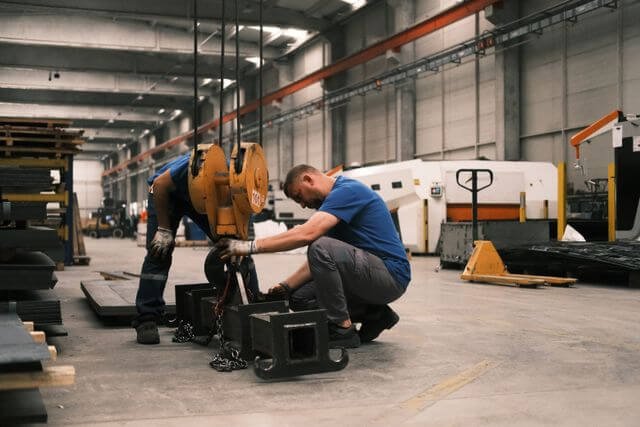
Big fixes, high-tech tools, or machine replacements usually grab attention when talking about dependable operations. Yet steady results come just as much from daily habits carried out by maintenance crews. Because of careful upkeep, breakdowns happen less, machines stay ready longer, safety gets stronger. Over time, weaving dependability into regular work allows progress that lasts – without needing expensive overhauls each step.
Keeping Maintenance Standards Steady
It starts with setting rules everyone follows, making upkeep predictable. Different people doing things their own way often leads to oversights. Following the same method each time means key actions rarely get skipped. Whoever handles the job, the outcome stays dependable when steps stay fixed. Consistency in checks, fixes, and tool handling builds trust over time.
When things stay steady, odd signs show up faster. Workers used to set patterns and notice shifts in machines sooner – they know how things should feel, sound, look. A rhythm builds through repetition, one that supports smooth running gear. What grows from routine is not just order, but sharper awareness down the line.
Improving Inspection Quality
Most useful tools for upkeep crews? Regular checkups rank near the top. Not just about spotting cracks or dents. Listen closely – odd hums can signal trouble before failure hits. Leaks often whisper problems long before they shout. Watch how parts move; wobbles suggest something is off. Heat changes might mean friction where there should be none. Connections tend to slip over time, so test their grip now and then. Signs add up when you pay attention.
Inspections dig deep, letting crews keep an eye on parts that quietly shape how well systems run. For example, damaged protective coverings, deteriorated seals, or aging fiberglass insulation around equipment may contribute to energy losses and operational inefficiencies. Spotting such weak points ahead of time opens space to fix them while they’re still small, stopping what could grow into serious trouble later.
Encouraging Proactive Maintenance
When things break down suddenly, repairs tend to cost more, stop work longer, leave operations scrambling. Staying ahead means thinking ahead – catching issues before they turn into breakdowns shapes how dependable systems become. Spotting small flaws early changes outcomes; fix them then instead of pushing machines until they barely run.
Fixing tiny leaks early stops big problems later. Worn parts get swapped out ahead of time. Misaligned pieces are nudged back into place. Loose joints receive careful fastening. Each step seems small on its own. Yet combined, they keep machines running smoothly. Production stays steady across the whole site.
Supporting Equipment Integrity
Out in the field, how long gear lasts often comes down to small parts doing quiet jobs behind the scenes. Seals hold back dirt while gaskets keep pressure where it should be – each piece holding things together without fanfare. Should a bolt loosen or a bearing wear thin, trouble starts creeping in before anyone notices. Protection wears off slowly, then suddenly everything shifts toward failure.
Every so often, maintenance teams check how well support parts are holding up when they do routine work. When things get really hot, stuff like ceramic fiber insulation steps in – keeping heat under control while shielding nearby gear. Watching how these materials age means systems keep running as they should, which quietly builds lasting dependability over time.
Improving How We Share And Record Information
Clear notes travel better than spoken words when teams stay in sync. What one person sees today might stop a breakdown tomorrow if written down right. Shift changes work smoother when details pass through without getting lost. Missed signs often come from silence, not ignorance. Repairs done twice usually stem from messages that never arrived. Shared updates act like warnings others can actually use. A machine’s history matters most when everyone gets to read it.
Later on, detailed logs turn into useful background info for choices down the line. When repairs happen again and again, those notes show what keeps failing, how well fixes worked, or if certain machines need more care. Bit by bit, companies learn from these details – tweaking their upkeep plans, getting things to run smoother over months or years.
Building Habits That Prioritize Consistency
Every time a technician slows down to notice what others might skip, reliability grows quieter but stronger. A wiped-down machine after checks isn’t just tidy – it stays steady longer. When someone double-checks their fix instead of walking away, trouble often never shows up. Tightening bolts by hand each visit keeps vibrations from spreading harm. Watching how systems respond after work reveals hidden signs before they shout failure. Little moves like these pile up where breakdowns once thrived.
When people keep learning, they tend to stick with routines that boost dependability. Teams who grasp how machines work can spot trouble before it grows. Knowing what leads to breakdowns helps them act sooner rather than later. Skills grow stronger when time is spent teaching and practicing. Clearer understanding means choices get sharper on the job. Stronger know-how lifts every part of upkeep work over time.
Start with steady routines, yet see how small choices stack up over time. Not every change comes from big plans – most come from doing the right thing each day without fail. Stick to clear rules, then watch details closely, spot issues early before they grow. Fix things ahead of breakdowns, keep machines sound by design not luck. Talk straight, share updates clearly, avoid confusion before it starts. Work with care, follow steps exactly, let habits shape better results. Once this way sticks around daily tasks, interruptions fade, gear runs smoother, trust builds where it matters most. Dependability grows quietly, shows up when least expected.