



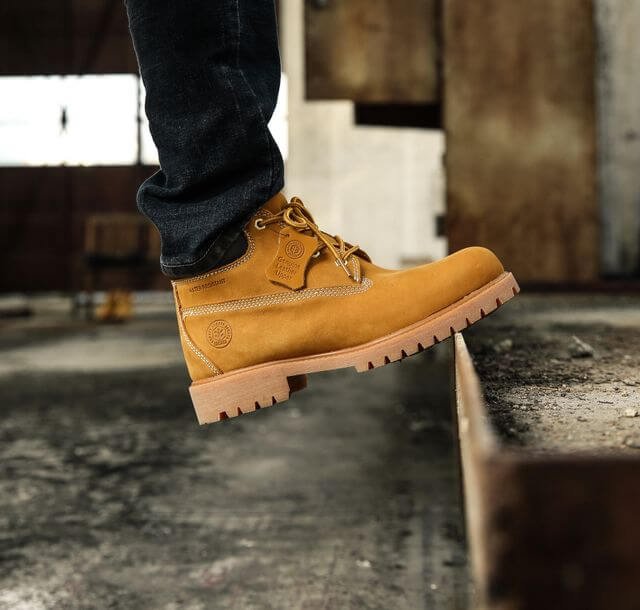
Safety boots are not one-size-fits-all in the literal or figurative sense. A boot perfect for an electrician in a commercial fitout is wrong for a civil worker in a flooded trench. A great choice for a warehouse supervisor can be inappropriate for a construction labourer on a nail-strewn slab. Getting the specification right matters for safety, comfort, and how long the boot actually lasts in working conditions.
Foot injuries remain a consistent source of serious workplace compensation claims in Australia. Incorrect boot specification is a genuine contributing factor – either because the boot doesn’t provide protection appropriate to the hazard, or because it’s so unsuitable that workers modify their behaviour to compensate.
Step 1: Confirm AS/NZS 2210.3:2019 Compliance
Every boot in this guide requires AS/NZS 2210.3:2019 as a non-negotiable baseline. This is the current Australian and New Zealand standard covering toe impact resistance (200J at Class 1), compression resistance (15kN), and minimum slip performance. If a boot doesn’t carry this certification explicitly, it’s not an appropriate specification for an Australian worksite.
Electricians and Electrical Trades
Non-negotiable: EH (electrical hazard) rating, tested to resist electrical current through the sole. Preferred: composite toe for inherent non-conductive properties. Style: safety jogger for commercial fitout environments; ankle-height or higher lace-up for outdoor electrical or line work. Spec: AS/NZS 2210.3:2019 + EH rating on the specification sheet.
Construction and Civil Works
Required: P2 penetration resistance for nail and sharp object hazards. Recommended: SRC slip rating, ankle-height or above, waterproof membrane for wet sites. Toe cap: steel or composite at Class 1. Style: full lace-up boot. A boot like the Oliver AT 55-332 (P2, SRC, dual-density PU midsole) represents the benchmark for this environment.
Plumbers and Pipefitters
Required: waterproof membrane (Gore-Tex or XDry for sustained wet exposure). Recommended: SRC slip rating, ankle support, P-rated midsole for demolition or excavation work. Note: plumbing environments vary – under-house work needs waterproofing more than commercial bathroom fitout. Assess actual work conditions rather than applying a blanket spec.
Warehousing and Logistics
Required: AS/NZS 2210.3:2019 Class 1 compliance. Recommended: SRC slip rating for smooth warehouse floors, cushioning for prolonged standing. Style: safety jogger often appropriate. Not typically required: penetration resistance, high ankle height, waterproofing. A Blundstone 743 or equivalent lightweight composite-toe option suits most warehousing roles.
Mining and Heavy Industry
Required: AS/NZS 2210.3:2019 Class 1, often with metatarsal protection (M rating) and P2 penetration resistance. Site-specific requirements apply – mining operations often specify additional ratings beyond Class 1. EH rating may be required depending on the operation. Oliver’s AT and XT series cover the protection class range needed for heavy industry environments.
Specifying Boots for a Team
Trade businesses specifying boots across a workforce need to account for role variation. A civil business might spec full construction-grade boots for labourers and a lighter compliance boot for supervisors. A plumbing business might spec waterproof boots for field workers and safety joggers for estimating staff who occasionally visit sites. Map the hazard to the role rather than applying a blanket spec. Trade account arrangements make it straightforward to maintain consistent supply at agreed pricing across multiple specifications.
Frequently Asked Questions
What safety boots do electricians need?
Electricians need AS/NZS 2210.3:2019-compliant boots with an EH (electrical hazard) rating. Composite toe caps are preferred for their non-conductive properties. The style – safety jogger or lace-up boot – depends on whether the work environment is indoor commercial or outdoor.
Do I need safety boots for warehouse work in Australia?
Most Australian warehouse environments require AS/NZS 2210.3:2019-compliant safety footwear due to falling object and forklift hazards. Safety joggers with composite toe and SRC rating suit many warehousing roles. Confirm your site’s specific WHS requirements.
What is the best safety boot for concrete floors?
For prolonged standing on concrete, prioritise cushioning (EVA or dual-density midsole), SRC slip resistance, and a sole that doesn’t transmit ground hardness. Lightweight composite-toe boots with EVA midsoles are often the best specification for extended concrete floor work.
How do I spec safety boots for my whole team?
Map hazards by role: identify which roles need EH rating, waterproofing, penetration resistance, or ankle height. Spec accordingly. A trade-focused workwear supplier can work through role-specific specifications and set up account pricing for consistent supply across your business.
For trade businesses specifying safety boots across a workforce, the key is a supplier who can cover multiple specifications under one account – making it easier to maintain consistent supply as your team’s roles and hazard profiles change.