



Safety at the workplace is now a catalyst and growth engine with 92% of workers saying that it improves productivity. Of 1,200 workers polled in the US and Canada, around 78% said that they would think about giving up their roles if the conditions are not safe while 77% said it would have an influence on their choice of employers according to the 2026 EcoOnline Report. Workplace safety leads to increased efficiency, while risk management ensures employee retention and helps organizations grow. Hence, it is important for firms to have a sound safety training program that addresses both physiological and psychological factors to help minimize turnover and improve efficiency. Ultimately, it is an investment in human capital that generates loyalty, productivity, and peace of mind.
Physical and Experiential Training
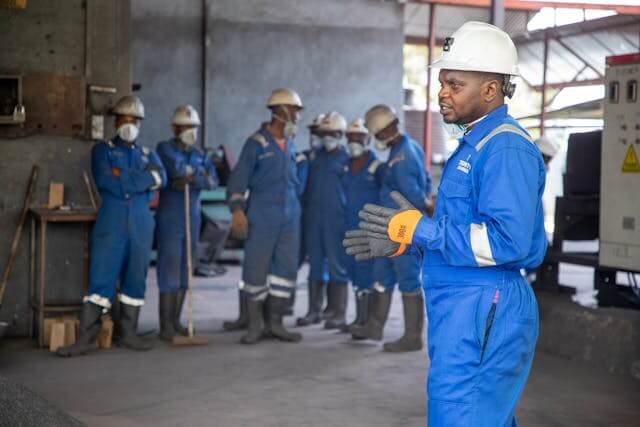
Nowadays, it’s no longer enough to conduct physical safety training based on boring lectures. In addition to interactive physical training, experiential training and proactive wellness are necessary so that workers can do their job properly and feel good at the same time. For example, a company that engages in silica training aims to protect workers from inhaling microscopic dust that is released when cutting, drilling, or grinding materials like concrete, brick, or stone. Silica dust is minute and travels deep into the lungs leading to permanent and often fatal disease.
Training is the first line of defense to ensure workers are aware of this invisible hazard. Workers are also trained to use HEPA filtered vacuum systems to catch dust and how to properly wear and fit test respirators in addition to medical exams as part of the safety package. Above all, safety training for staff sends out a clear message that the company cares about the long-term health of employees not just today’s output.
Furthermore, companies are increasingly turning to technology to use training as a retention tool. For instance, staff are taught how to use artificial intelligence (AI)-driven wearables and sensors that anticipate hazards promoting professional pride. Immersive virtual reality (VR) is useful for high-risk training like silica exposure or fall protection giving workers a feeling of preparedness for the real world.
In essence, effective safety training boosts productivity by fostering a sense of security and cuts stress-related absences. According to the Occupational Safety and Health Administration (OSHA), a dollar invested by a company in workplace safety sees an average return of 4 to 6 dollars making it a worthwhile investment.
Mental Health and Psychological Safety
The biggest change in the safety training program implemented by companies is that now, it also places importance on medical health and psychological safety. Mental wellness and stress management are part of the environmental health and safety programs. Employees are empowered and encouraged to speak up about a hazard or a burnout risk without fear of retaliation or repercussions promoting a deeper sense of belonging. This, in turn, can drive long-term loyalty and higher retention rates. As a training method, a scenario-based role play can be done by managers and subordinates. Leaders are trained to respond to bad news like missing deadlines or targets with curiosity rather than anger making workers feel that their voice matters.
Moreover, supervisors can improve their active listening skills by hearing out the concerns of employees. Listening to staff signals social safety encouraging employees to think more clearly, solve complex issues, and remain calm under pressure. On the other hand, staff are trained to identify the physical signs of burnout. When the brain has high cortisol levels, productivity drops. Another key consideration is to ensure that all team members are informed of, and adhere to, the ‘digital sunset’ protocols, which include restricting non-emergency calls or communications after 6PM.
Doing this reduces the ‘always on’ exhaustion or chronic fatigue. Unfortunately, this type of work culture can lead to burnout where a worker may be present physically but mentally and emotionally checked out. The Visier survey indicated that 70% of employees would quit their current jobs because of it. Although time off temporarily relieves the burden, burnout is a major reason why employees leave the workplace.
The confluence of physical and psychological safety is a significant strategy in future proofing a team improving growth and reducing staff turnover. It is no longer about preventing accidents at the workplace but more importantly, about creating an environment where workers feel safe physically, mentally, and emotionally.