



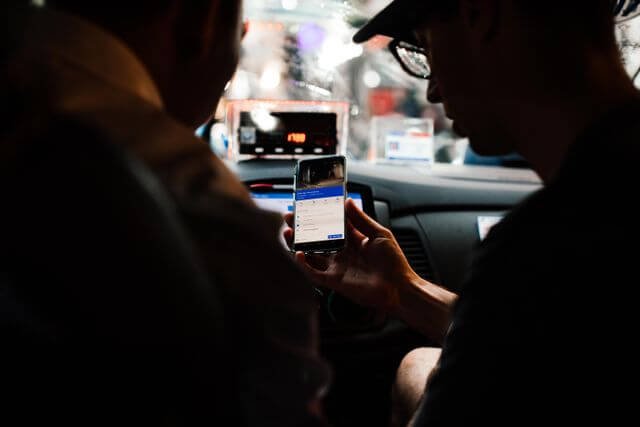
Uber launched in San Francisco in 2010 with a pitch that felt almost too good to be true: a safe, cheap ride home in your pocket, available in minutes. Within a few years, public health researchers started asking a natural question. Were fewer people driving drunk because of it? The answer turned out to be yes, significantly, but with a catch that almost nobody in the original conversation anticipated.
The Numbers That Made Headlines
The most cited finding on this subject came out of UC Berkeley in 2021. Researchers Lucas Davis and Michael Anderson analyzed Uber activity data alongside federal crash records and found something striking. A new analysis found that the ride-sharing platform Uber reduced overall U.S. traffic fatalities by about 4% overall, and cut alcohol-related traffic deaths by over 6%. That represented about 494 fewer deaths in 2019 alone, about 214 fewer of them from drunk driving.
That is not a rounding error. That is hundreds of people who went home instead of to a hospital or a morgue, in a single year, largely because a $14 surge-priced Lyft was less embarrassing than the alternative used to be.
The Berkeley team published their findings through the National Bureau of Economic Research, and the methodology held up under peer review: they cross-referenced Uber’s own granular trip data at the census-tract level with NHTSA’s Fatality Analysis Reporting System going back to 2001. The effect was real. It was also specific to weekends, late nights, and cities with populations large enough to sustain reliable driver supply, which matters a lot for understanding the limits of the improvement.
Why the Effect Is Strongest on Friday Nights
Think about when drunk driving actually happens. It is not Tuesday at noon. The behavior clusters hard around Friday and Saturday evenings, in cities, among people in their twenties. Rideshare availability follows exactly that same pattern because that is when demand is highest and driver supply is largest. So the two curves overlap almost perfectly.
Picture someone leaving a bar in Tampa at 1 a.m. on a Saturday. In 2009, that person weighed a cab they might wait 40 minutes for against a five-minute drive they were pretty sure they could handle. In 2016, the same person opened an app and had a driver two minutes away. The friction that used to make the bad decision easier just… evaporated.
This is what researchers call the Coverage-Behavior Gap: the space between knowing the safe option exists and actually being able to access it in the moment. Rideshare apps collapsed that gap in urban cores faster than any public awareness campaign ever could. The data backed it up. Arrest numbers shifted first in city centers, where utilization rates were highest, and the effect faded as you moved into suburban and rural areas where driver density was too thin to matter.
The Numbers That Did Not Make Headlines
Here is the part that gets less attention. Even with all of that measurable progress, drunk driving remains a devastating problem at a national scale. Every day, about 32 people in the United States die in drunk-driving crashes, one person every 44 minutes. In 2024, 11,904 people died in alcohol-impaired driving traffic deaths. That figure, reported directly by the National Highway Traffic Safety Administration, means that even in a year the agency described as an improvement over recent peaks, the death toll still ran into five figures.
There are a few reasons the gains plateaued. First, rideshare penetration in rural America never reached the density needed to change behavior the way it did in cities. Second, the pandemic years scrambled both driving patterns and app usage in ways that took years to untangle. Third, and probably most important, drugged driving expanded to fill some of the space that drunk driving vacated. Drivers impaired by cannabis or prescription medications don’t respond to a surge-priced Uber the way someone five drinks in does, because they often don’t perceive their own impairment as clearly.
So the honest summary is this: rideshare apps solved a meaningful portion of a specific version of the drunk driving problem, specifically the version where a person knows they’ve had too much, has a smartphone, and is in a city where a driver is nearby. Every other version of the problem is still very much with us.
What This Means on the Ground
For anyone curious about the practical takeaways, the research points pretty clearly in a few directions.
- Urban residents benefit most. If you live in a mid-to-large city with strong rideshare coverage, your odds of encountering an impaired driver on a Saturday night are genuinely lower than they were fifteen years ago. That’s worth knowing.
- Late-night hours still carry elevated risk. The data consistently shows crashes and impairment cluster between 9 p.m. and 3 a.m. Defensive driving habits during those windows are not paranoia.
- Rural roads haven’t improved at the same rate. Rideshare coverage drops sharply outside metro areas, and so does the behavioral effect the apps produce.
- Drugged driving is the next frontier. Law enforcement, researchers, and policymakers are now grappling with impairment types that breathalyzers can’t measure and that the rideshare solution doesn’t neatly address.
“The effects were most significant during weekend evenings, which aligns with when rideshare utilization is highest and when drunk driving incidents traditionally peak,” noted the Berkeley researchers in their 2021 paper, drawing attention to the tight link between app availability and real-world behavior change.
The Legal Picture Hasn’t Shrunk as Fast as You’d Expect
Even with arrest numbers trending downward over the past decade, hundreds of thousands of DUI cases still move through American courts every year. Florida alone processes tens of thousands of impaired driving charges annually, and the complexity of those cases, from breathalyzer calibration records to field sobriety test procedures, hasn’t diminished just because rideshares exist. That’s exactly why dedicated legal practices remain busy. The Tampa DUI defense lawyers at de la Grana Law are one example of how specialized criminal defense has kept pace with the procedural demands of modern DUI prosecution, particularly in a state with some of the strictest administrative license suspension rules in the country.
The broader point is that technology changed behavior at the margins. It did not replace the legal system, and it did not eliminate the consequences for people who ended up charged despite the existence of better alternatives.
Where Things Go From Here
The next generation of interventions is moving from the behavioral layer to the vehicle itself. NHTSA has been working toward a federal rule that would require passive impaired-driving detection technology built directly into new passenger vehicles, a provision included in the 2021 Bipartisan Infrastructure Law. If that technology actually reaches production at scale, it could represent the next meaningful reduction in impairment-related deaths, potentially larger than the rideshare effect.
Until then, the situation is genuinely mixed. Rideshare apps delivered a real, peer-reviewed, quantifiable improvement in a specific corner of a large problem. That is worth crediting. But the 11,904 deaths recorded by NHTSA in 2024 are a reminder that “better than it was” and “solved” are very different claims. The gap between them is where most of the work still needs to happen.