



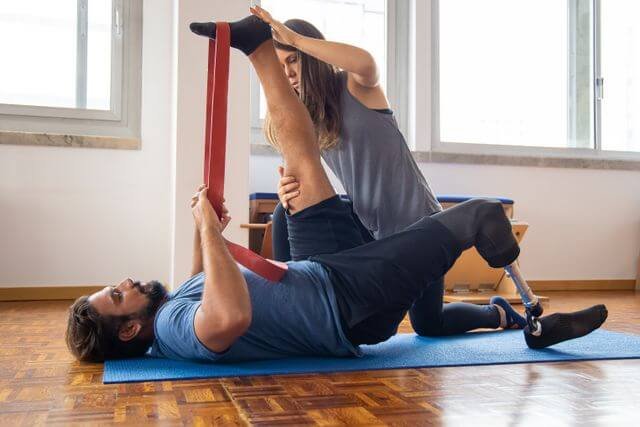
Pilates has gained significant popularity in recent years as a versatile form of exercise that focuses on strength, flexibility, and overall body awareness. While many tout the benefits of
When practicing Pilates to improve core strength and enhance body alignment, it’s essential to acknowledge that injuries related to Pilates are not uncommon.
This article explores the various types of injuries that can occur during Pilates sessions. Learn how an expert with a physical therapy degree can help with the recovery process.
Common Pilates Injuries
Despite its reputation as a safe and gentle exercise regimen, Pilates can lead to various injuries, ranging from minor strains to more severe conditions. Common injuries associated with Pilates include strains and sprains, tendonitis, overuse injuries, and muscle imbalances.
Strains and sprains typically occur when muscles or ligaments are stretched beyond their limits, often due to improper form or overexertion. Tendonitis, an inflammation of the tendons, can develop from repetitive movements or incorrect alignment during Pilates exercises.
Overuse injuries may stem from performing the same movements excessively without adequate recovery, leading to stress on muscles and joints. Muscle imbalances, which can result from favoring one side of the body over the other, may arise if proper symmetry is not maintained throughout Pilates routines.
Many Pilates injuries are minor and can be managed with rest and proper care. Still, some cases may require professional intervention, such as physical therapy, to facilitate healing and prevent further complications.
Understanding the Causes of Pilates Injuries
The causes of Pilates injuries often stem from incorrect form, insufficient guidance, or pushing yourself beyond your limits. Performing Pilates exercises with poor alignment or technique can strain muscles and joints, increasing the risk of injury over time.
Moreover, overexertion or attempting advanced movements before mastering the basics can contribute to Pilates-related injuries. While Pilates is known for its adaptability to different fitness levels, progressing too quickly without building a solid foundation of strength and control can leave individuals vulnerable to strains, sprains, or other issues.
By understanding the common causes of Pilates injuries, practitioners can take proactive steps to prevent such incidents and enjoy the benefits of Pilates safely and effectively. Proper form, gradual progression, and attentive guidance are key elements in reducing the likelihood of injury during Pilates practice.
The Role of Physical Therapy in Pilates Injury Recovery
When faced with a Pilates-related injury, physical therapy can be helpful in recovery. Physical therapists, trained to assess and treat musculoskeletal issues, employ tailored exercises and techniques to help individuals rebuild strength, flexibility, and function post-injury.
Through targeted interventions, such as therapeutic exercises, manual therapy, and modalities like heat or ice application, physical therapy aims to expedite healing, alleviate pain, and restore optimal movement patterns. Physical therapists collaborate with patients to create individualized treatment plans tailored to the specific injury and the patient’s goals.
By addressing underlying issues contributing to the injury, such as muscle imbalances or improper movement patterns, physical therapy can not only aid recovery but also help prevent future injuries. Pilates enthusiasts recovering from injuries may find that incorporating physical therapy into their rehabilitation regimen enhances their overall recovery.
Preventing Pilates Injuries
Preventing Pilates injuries involves a combination of mindfulness, proper technique, and self-awareness during practice. To minimize the risk of injury, individuals should prioritize warm-up routines that prepare the body for physical activity and reduce the likelihood of strains or sprains.
Cooling down after a Pilates session can also aid in muscle recovery and prevent excessive soreness. Engaging core muscles, breathing deeply, and listening to the body’s cues can help practitioners avoid strain and ensure that movements are executed safely and effectively. Additionally, gradually progressing through Pilates routines, modifying exercises as needed, and seeking guidance from qualified instructors can contribute to injury prevention.
Hydration and adequate rest are often overlooked but critical aspects of injury prevention in Pilates. Staying hydrated supports muscle function and aids in recovery, while allowing the body ample time to rest and recuperate between workouts prevents overuse injuries and promotes overall well-being. Lastly, maintaining proper alignment and form during exercises is essential to prevent injuries.
Safeguarding Your Pilates Practice
While Pilates offers a multitude of benefits for physical fitness and mind-body wellness, practitioners must remain vigilant about the potential for injuries that can arise during practice. By understanding common Pilates injuries, their causes, and preventive measures, individuals can approach their Pilates workouts proactively to minimize injury risk.
Physical therapy is a valuable resource in the Pilates injury recovery journey. Remember, prioritizing safety, seeking professional guidance when needed, and listening to your body’s cues can significantly enhance your Pilates experience and contribute to long-term well-being and enjoyment of this popular form of exercise.