



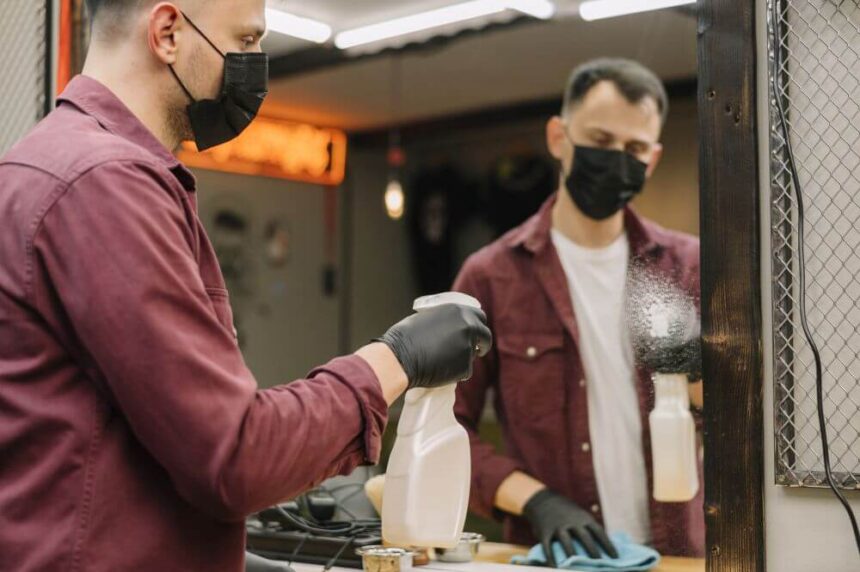
Keeping your commercial spaces clean isn’t just about appearances—it’s about health, safety, productivity, and creating a positive environment for employees, customers, and visitors. Whether you manage an office, retail outlet, medical facility, industrial workspace, or a hospitality venue, adopting the right cleaning practices can make a significant difference to how your business operates.
By implementing these strategies, you can ensure your workplace remains safe and presentable, whether you manage it yourself or partner with a professional nsw commercial cleaning company.
Why Commercial Cleaning Matters
Commercial cleaning goes beyond regular housekeeping. It involves systematic, professional approaches to sanitising high‑touch surfaces, managing waste efficiently, controlling allergens, and maintaining specialised areas such as restrooms, kitchens, reception zones, and high‑traffic corridors.
A well‑cleaned business space:
- Supports employee health by reducing the spread of germs
- Enhances customer confidence and brand perception
- Meets workplace hygiene and safety standards
- Prolongs the lifespan of furniture, flooring, and fixtures
Key Areas of Commercial Cleaning
High‑Traffic Zones
Areas such as entrances, lobbies, corridors, elevators, and stairs receive the most foot traffic and accumulate dust, dirt, and germs quickly. Regular vacuuming, floor sanitising, polished surfaces, and spot cleaning minimise wear and tear while maintaining a presentable look.
Workstations and Offices
Desks, keyboards, phones, chairs, and shared surfaces can harbour bacteria if not regularly disinfected. Encouraging employees to keep personal areas tidy, combined with professional cleaning schedules, ensures a healthier environment.
Break Rooms and Kitchens
These spaces require special attention because of food preparation and consumption. Countertops, sinks, appliances, tables, and bins must be cleaned frequently to avoid smells, stains, and cross‑contamination.
Restrooms
Restrooms are critical for hygiene management. They should be cleaned multiple times daily in busy establishments. Surfaces, taps, toilets, partitions, floors, and dispensers need thorough sanitisation.
Windows and Glass
Clean windows and glass doors improve natural light, create a professional appearance, and enhance workplace morale. Regular glass cleaning prevents the buildup of fingerprints, smudges, and grime.
Effective Cleaning Practices for Businesses
Establish a Routine Cleaning Schedule
Consistency is key. Develop a cleaning timetable detailing daily, weekly, and monthly tasks. For example:
- Daily: Empty bins, sanitise high‑touch surfaces, clean restrooms, mop floors
- Weekly: Deep dusting, clean windows internally, polish communal areas
- Monthly: Carpet cleaning, hard floor maintenance, high‑level dust removal
A structured schedule ensures no area is overlooked and helps measure cleaning performance over time.
Use the Right Products and Equipment
Different surfaces and materials require specific products. For instance, commercial flooring often needs industrial‑grade solutions that protect the finish without damaging tiles or wood. Microfiber cloths, HEPA‑filtered vacuums, and proper disinfectants improve cleaning effectiveness and reduce chemical waste.
Train Staff on Best Practices
If you have an in‑house cleaning team, invest in training. Proper techniques for sanitising, handling chemicals safely, using equipment correctly, and recognising hazards improve outcomes and reduce workplace accidents.
Prioritise High‑Touch and High‑Risk Areas
Especially during cold and flu seasons or health alerts, focus on disinfecting door handles, lift buttons, light switches, and shared electronics. These areas are common transmission points for viruses and bacteria.
Maintain Clear Communication
Whether your cleaning is handled internally or by an external provider, clear communication ensures expectations are aligned. Share feedback, update task lists based on business needs, and confirm access times to avoid disruption.
Choosing the Right Cleaning Approach
In‑House vs External Cleaning Services
Many businesses weigh the benefits of hiring full‑time cleaning staff versus outsourcing to commercial cleaning professionals.
- In‑House Staff: Offers control and availability but requires management, training, and equipment investment.
- External Services: Provide trained professionals with specialised tools and flexible scheduling without the overhead of direct employee management.
Deciding depends on business size, facility type, budget, and specific cleaning requirements.
Evaluating Cleaning Providers
When considering an external cleaning partner, think about:
- Scope of services offered (e.g., general cleaning, deep cleaning, floor care)
- Experience with similar businesses
- Flexibility in scheduling and responsiveness to urgent requests
- Certifications and safety standards compliance
- Reviews or testimonies from other clients
Always request a tailored plan that aligns with your facility’s needs.
The Impact of Cleanliness on Business Success
A clean workplace does more than improve aesthetics.
Boosts Employee Well‑Being
Clean environments reduce stress and illness, contribute to mental focus, and support overall well‑being. Healthy employees take fewer sick days and are more productive.
Enhances Customer Trust
Visitors associate cleanliness with professionalism. A spotless reception area or showroom can influence customer decisions, strengthen brand reputation, and encourage repeat visits.
Supports Compliance and Safety
Many industries have hygiene standards and safety protocols. Regular commercial cleaning helps businesses meet occupational health regulations and minimise risks related to slips, contamination, or pest issues.
Conclusion
Investing in effective commercial cleaning practices is essential for any NSW business looking to maintain professional standards, safeguard health, and create an inviting environment. Whether you adopt a detailed in‑house plan or partner with expert cleaning professionals, focus on consistency, quality products, and clear communication to get the best results.
A clean workspace doesn’t just look good—it supports your people, your operations, and your success.