



Pest problems are something most homeowners and gardeners face at some point. From ants marching across the kitchen bench to termites quietly damaging timber, pests can be a nuisance and a serious threat. However, many traditional pest control methods rely on harsh chemicals that can harm people, pets, and the environment.
Eco‑friendly pest control offers sustainable alternatives that focus on long‑term prevention and minimal impact on ecosystems. In this blog, we explore a range of eco friendly pest control you can use around your home and garden.
What Is Eco‑Friendly Pest Control?
Eco‑friendly pest control refers to methods that manage pests while reducing harm to the environment. Instead of using synthetic pesticides that can contaminate soil, water, and air, sustainable pest control emphasizes non‑toxic materials, natural predators, habitat modification, and preventative measures. The goal is not just to eliminate the current problem but to prevent future infestations safely and responsibly.
Why Choose Sustainable Pest Solutions?
Protection for People and Pets
Conventional pesticides often contain chemicals linked to health concerns when inhaled or absorbed through the skin. Choosing eco‑friendly options means less exposure to toxic substances for your family and pets.
Environmental Health
Harsh pesticides can harm beneficial insects like bees and earthworms, contaminate waterways, and upset local ecosystems. Sustainable practices support biodiversity and protect natural food chains.
Long‑Term Effectiveness
Eco‑friendly pest control focuses on understanding why pests invade in the first place. By addressing root causes, such as food sources and habitat opportunities, you reduce the chance of repeated problems.
Natural and Sustainable Pest Control Strategies
1. Prevention Through Habitat Modification
One of the most important steps in pest control is prevention. Pests often invade because food, water, or shelter is easily available. Simple changes can make your property less inviting to unwanted guests:
- Seal cracks and gaps in walls, doors, and windows
• Keep food stored in sealed containers
• Fix leaky taps and remove standing water
• Remove clutter where pests can hide
2. Encourage Beneficial Predators
Many unwanted pests have natural predators that can help keep their populations in check. Encouraging these beneficial species can be an effective and natural control method:
- Birds such as swallows help reduce flying insects
• Ladybugs feed on aphids and other garden pests
• Frogs and toads eat slugs and insects
You can create a welcoming environment for these helpers by planting native plants, providing water sources, and avoiding chemical sprays that harm non‑target species.
3. Plant-Based Repellents and Barriers
Several plants naturally repel certain pests. Incorporating these into your garden can help protect vulnerable plants:
- Marigolds deter nematodes and some insects
• Lavender and rosemary repel moths and flies
• Basil and mint help keep mosquitoes at bay
Using plant barriers and aromatic herbs can reduce pest pressure without toxic sprays.
4. Biodegradable Traps and Barriers
Instead of chemical baits, consider using traps and physical barriers to manage pests:
- Sticky traps for monitoring insect activity
• Copper tape around garden beds to deter slugs
• Diatomaceous earth as a mechanical barrier for crawling insects
These methods work without introducing harmful substances into your home or garden.
5. Organic Pesticides
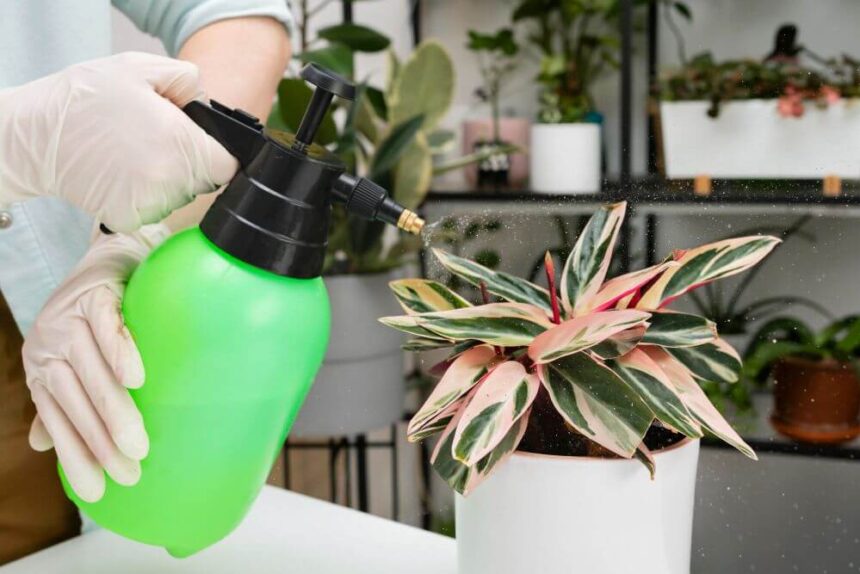
When intervention is necessary, organic pesticides derived from natural sources can be safer alternatives. Neem oil, insecticidal soaps, and botanical extracts can control pests while breaking down quickly in the environment. Always follow label instructions and target only affected areas to protect beneficial organisms.
6. Regular Monitoring and Early Action
Consistent monitoring helps you spot pest activity early before it becomes a major problem. Look for signs like droppings, chewed leaves, or nests. By acting early with eco‑friendly tools, you can often resolve issues without escalating into major infestations.
Eco‑Friendly Pest Control for Different Areas
Indoor Spaces
Inside your home, focus on cleanliness and exclusion. Vacuum regularly, wipe down surfaces, and ensure food scraps are not left exposed. Use door sweeps and mesh screens to prevent entry points, and consider natural repellents like essential oils in areas susceptible to insects.
Outdoor Gardens
In gardens, maintain plant health through proper watering, mulching, and soil care. Healthy plants are more resistant to pests. Use companion planting and crop rotation to disrupt pest cycles and promote biodiversity.
Conclusion
Eco‑friendly pest control is not only a safer choice for your home and family but also a responsible way to protect the environment. By combining preventative measures, natural predators, plant‑based repellents, and sustainable practices, you can manage pests effectively without relying on harsh chemicals. Whether you’re dealing with ants in the kitchen or aphids in the garden, adopting a green approach makes your living space healthier and more resilient in the long term. Embracing eco‑friendly pest control means thinking beyond eradication — it means creating balance.