



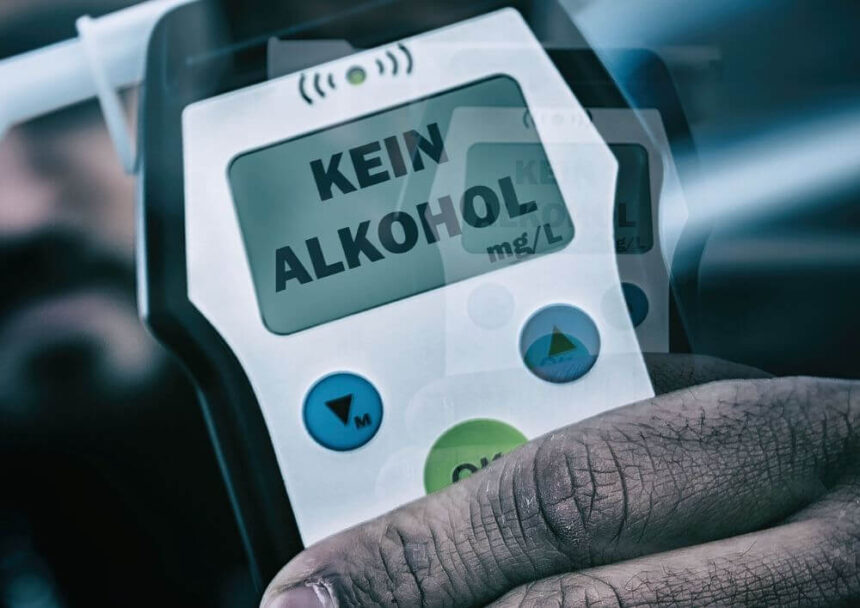
When it comes to understanding alcohol consumption and safety, breathalysers are one of the most useful tools available. Whether you’re a driver wanting to make responsible decisions, an employer focused on workplace safety, or simply someone curious about how alcohol affects the body, breathalysers offer quick, practical insights.
In this blog post we’ll explore what breathalysers are, how they work, the different types available, common uses, and important considerations to keep in mind.
What Is a Breathalyser?
A breathalyser is a device designed to estimate the concentration of alcohol in a person’s breath, which can then be used to infer how much alcohol is in their bloodstream. Since alcohol enters the bloodstream through the stomach and intestines after drinking, it eventually reaches the lungs where a small proportion is exhaled. Breathalysers measure this exhaled alcohol and provide a reading that can be translated into a Blood Alcohol Concentration (BAC) level.
How Breathalysers Work
The basic principle behind a breathalyser involves detecting alcohol molecules in exhaled air. When you blow into the device, the sensor inside reacts with any alcohol present.
There are three main technologies used:
1. Semiconductor Sensors: These are often found in lower‑cost personal breathalysers. They detect changes in electrical resistance as alcohol vapor interacts with the sensor. While affordable, they may be less precise than other types.
2. Fuel Cell Sensors: Common in professional and law enforcement devices, fuel cell breathalysers produce an electrical current when alcohol oxidizes on the sensor surface. The strength of this current correlates with the amount of alcohol present, making these devices more reliable.
3. Infrared Spectroscopy: Used in high‑end, laboratory‑level equipment. This technology measures how infrared light is absorbed by alcohol molecules in exhaled air. It is very accurate but also more expensive.
Why People Use Breathalysers
Breathalysers are used for a range of reasons, from legal enforcement to personal safety. Here’s a look at some of the most common applications.
Road Safety and Law Enforcement
The most well‑known use of breathalysers is in traffic law enforcement. Police use them during traffic stops or random breath testing operations to determine if a driver is over the legal alcohol limit. If a driver’s BAC exceeds the permitted level, they may face penalties including fines, license suspension, or even criminal charges. These devices are crucial for promoting safer roads and preventing alcohol‑related accidents.
Personal Responsibility and Safe Driving
Many people now choose to carry a personal breathalyser to check their own BAC before deciding to drive. Since everyone metabolizes alcohol differently based on body weight, gender, food intake, and other factors, it’s often hard to know how drunk you really are without a test. A personal breathalyser gives an estimate of your BAC so you can make more informed decisions about whether it’s safe to drive.
Workplace Safety
Some workplaces, especially in industries where machinery, transportation, or high‑risk activities are involved, use breathalysers to monitor employee alcohol levels. Employers may implement random or scheduled testing to help maintain a safe working environment. In these settings, accuracy is essential, so fuel cell or professional‑grade devices are typically used.
Event and Hospitality Settings
Bars, clubs, and event organizers sometimes offer breathalyser tests on site to help patrons gauge their BAC. This not only helps individuals make safer choices but can also be part of a larger effort to promote responsible drinking and reduce harm.
Interpreting Your Breathalyser Reading
Understanding what your BAC number means is important. Typical legal limits for driving vary by country and region, but many places have a limit around 0.05% BAC. Some professional drivers or novice drivers may be held to lower limits.
It’s also important to remember that a breathalyser reading is an estimate. Factors like a poorly calibrated device, residual alcohol in the mouth, or even environmental contaminants can affect the result. Never rely solely on a single reading to make critical decisions; use it as a guide alongside other indicators of impairment.
Choosing the Right Breathalyser
If you’re thinking about getting a breathalyser for personal or professional use, here are a few tips:
Accuracy: Choose a device with proven sensor technology. Fuel cell sensors are generally more accurate than semiconductor ones.
Calibration: Regular calibration is necessary to maintain accuracy. Some models prompt you when calibration is due.
Ease of Use: Look for devices with clear displays and simple operation.
Portability: Compact models are ideal for personal use and travel.
Certification: Professional settings may require devices that meet specific legal or industry standards.
Common Misconceptions About Breathalysers
“A breathalyser tells my exact level of intoxication.”
While breathalysers provide an estimated BAC, they don’t measure impairment directly. Factors like reaction time, vision, and coordination are also affected by alcohol and can vary independently of BAC.
“Mouthwash or gum won’t affect the reading.”
Some products containing alcohol can temporarily elevate breathalyser readings. Waiting a few minutes after using mouthwash or consuming alcohol can help reduce this effect.
“All breathalysers are the same.”
As noted earlier, the sensor type and quality dramatically influence accuracy. Cheap devices may offer rough estimates but aren’t suitable for legal or professional use.
Conclusion
Breathalysers are powerful tools for gauging alcohol levels quickly and conveniently. Whether used by police, employers, or individuals seeking to make responsible choices, these devices help promote safety and awareness. Understanding how they work, the different types available, and how to interpret readings can empower you to use them effectively. While no tool is perfect, a well‑chosen breathalyser combined with sound judgment can make a real difference in preventing alcohol‑related harm.