



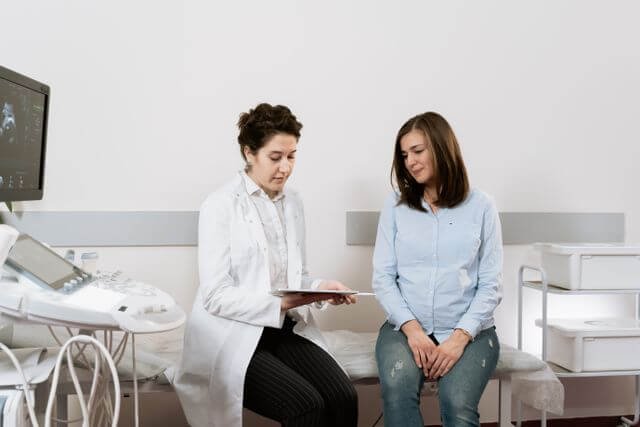
Forty-eight hours. That’s how long a missed period typically lasts before most women start panic-searching for a clinic that offers same-day testing. The good news? You don’t need to wait, and you don’t need to walk in blind. A first pregnancy test appointment is straightforward, but the emotional weight around it makes preparation matter more than any medical detail.
This guide walks you through exactly what happens during that visit, what you should bring, and which questions deserve answers before you leave the parking lot.
What Actually Happens During the Visit
Let’s strip away the mystery. A first pregnancy test appointment usually takes between 30 and 60 minutes, depending on whether you get an ultrasound. The core components break down like this:
- Lab-quality urine test: This is more sensitive than the store-bought version. It detects the pregnancy hormone hCG earlier and with fewer false negatives.
- Confirmation conversation: A nurse or counselor reviews the result with you, explains what it means, and checks whether you have questions.
- Dating assessment: Based on your last menstrual period, they estimate how far along you might be. This matters for every decision you make next.
- Optional ultrasound: Many clinics offer a limited ultrasound to confirm viability and dating, especially if you’re considering any procedure.
Here’s what nobody warns you about: the paperwork. Most clinics ask about your medical history, current medications, and allergies before anything else. Bring a list of medications if you take any regularly. You’ll save yourself fifteen minutes of digging through your purse.
The CDC reports that roughly 5 million pregnancies occur in the U.S. each year, which means clinics run this exact appointment dozens of times weekly. You aren’t a rare case, and the staff have handled every emotional reaction you can imagine.
What to Bring With You
Keep this simple. You need four things:
- A valid photo ID (driver’s license or state ID works)
- Your insurance card, if you have one, even if the clinic advertises free services
- A list of current medications and any allergies
- Your phone charger, because waiting rooms have a way of draining batteries
Do not bring a support person if they’ll make you more anxious. Some women find comfort in having someone there; others feel pressured to perform a reaction they don’t actually feel. There’s no wrong answer, but decide before you arrive. You don’t want to navigate that decision while sitting in a waiting room with a full bladder and a racing heart.
One more thing: wear something comfortable. You might have an abdominal ultrasound, which means a cold gel and pressure on your lower belly. Leggings and a loose top beat rigid jeans every single time.
Questions Worth Asking Before You Leave
Most women walk out of a first appointment with two or three questions unanswered because they didn’t know what to ask. Steal this list and make it yours:
- How far along am I based on the ultrasound or my last period?
- What are my options, and what does each one involve?
- Are there any tests I should complete before making a decision?
- If I need time to think, can I schedule a follow-up visit?
- What support services are available after today?
Here’s the thing: you’re allowed to ask questions even if the answers scare you. The National Institute of Child Health and Human Development emphasizes that early prenatal care improves outcomes, but that’s about the physical side. The emotional side matters just as much, and any decent clinic knows this.
If a staff member rushes you or dismisses a question, that’s a red flag. You deserve thorough, judgment-free answers, full stop.
The Emotional Preparation Nobody Talks About
Let’s be honest about the part that catches most women off guard. The test itself takes two minutes. The emotional processing takes days. You might feel relief, fear, anger, numbness, or all four in the span of an hour.
That’s normal. And it’s worth telling yourself before you walk in.
One thing that genuinely helps: write down your feelings before the appointment. A single page of bullet points, a voice memo, whatever works. Doing this gives you a baseline. When the counselor asks how you’re feeling, you won’t have to search for words while your brain short-circuits.
Another strategy that works: plan your next 24 hours regardless of the result. Decide where you’ll go after the appointment, what you’ll eat, and whether you’ll tell anyone. Having a concrete plan for the afternoon reduces the feeling of being swept along.
What Happens After the Result
Positive result or negative result, the appointment doesn’t end when you get the news. Every reputable clinic offers next steps, even if that just means a follow-up call or a referral.
If the test is negative, the conversation shifts to why you missed your period. Stress, hormonal changes, and certain medications all cause delays. The clinic may suggest retesting in a week or checking with your primary care provider.
If the test is positive, your options depend on how far along you are, your health history, and what you feel ready for. Some women leave with a prenatal vitamin prescription. Others request information about abortion procedures, adoption resources, or parenting support. All of these paths deserve the same respect from the clinic staff.
And if you’re considering a procedure, pre-abortion testing often includes blood work and an ultrasound to confirm viability before anything else happens. That’s not a delay tactic; it’s a safety measure. Understanding the timeline helps you plan realistically.
For women in the Minneapolis area who want same-day confirmation and unbiased counseling, finding an abortion clinic in Crystal, MN that offers lab-quality testing and ultrasound services means you can get answers without waiting weeks for a referral.
A Simple Checklist for Your Appointment
Print this. Save it to your phone. Whatever works.
| Before You Go | When You Arrive | Before You Leave
|
|---|---|---|
| Bring photo ID and insurance card | Expect a urine test, not a blood draw | Confirm how far along you are |
| List your medications and allergies | Ask about ultrasound availability | Request written information on all options |
| Decide on a support person | Tell staff about any anxiety or panic | Schedule a follow-up if you need time |
| Plan your afternoon afterward | Keep your phone charged | Ask who to call with late questions |
When You Should Visit a Doctor Instead
Most women can use a clinic for pregnancy testing. But certain symptoms warrant a doctor’s office or urgent care instead. Watch for these:
- Heavy bleeding with clotting
- Severe cramping on one side of your abdomen
- Fever over 100.4 degrees
- Dizziness or fainting
These could indicate an ectopic pregnancy or infection. The Mayo Clinic flags sudden sharp pain and shoulder pain as symptoms worth immediate attention. When in doubt, call the clinic ahead and describe your symptoms; they’ll tell you whether to come in or head to the ER.
This isn’t meant to scare you. It’s a safety net for the rare cases where testing uncovers something beyond a simple positive or negative.
The Bottom Line
A first pregnancy test appointment boils down to this: you walk in uncertain, you walk out with information. The preparation you do beforehand determines how much of that information actually lands.
Bring your ID, write down your questions, wear comfortable clothes, and give yourself permission to feel every emotion that surfaces. The staff has seen it all, and they’re there to help you think clearly, not to judge how you react.
You’ve already taken the hardest step by deciding to get answers. The appointment itself is just the follow-through. And once you know, you can plan. That’s the whole point.