



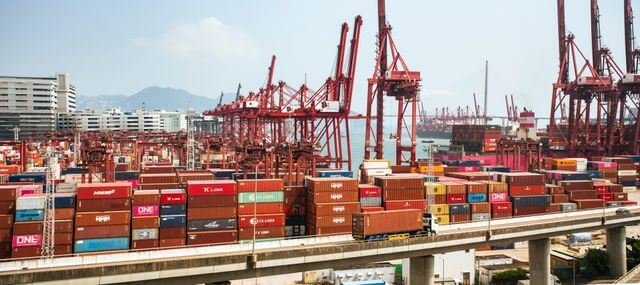
Cross border trade used to be something only large corporations worried about. That has changed dramatically. E-commerce, global sourcing, and international customer bases mean that small and mid-sized businesses now regularly ship products across borders, often without the internal expertise or dedicated staff that larger companies use to manage customs compliance.
The result is a growing number of smaller businesses discovering, sometimes the hard way, that customs compliance is far more complex than simply filling out a shipping label. Here is a clear look at why compliance matters so much for smaller businesses and how they can simplify a process that often feels overwhelming, explained section by section.
1. Understand What Customs Compliance Actually Covers
Customs compliance is not a single task, it is a collection of interconnected requirements including accurate product classification, correct valuation, proper documentation, and adherence to country specific import and export regulations. Missing any one of these pieces can result in delays, fines, or shipments being held indefinitely at the border.
Many smaller businesses underestimate the scope of this until they experience a compliance issue firsthand. Understanding upfront that compliance touches classification, documentation, valuation, and regulatory adherence all at once helps businesses take a more comprehensive approach rather than addressing problems reactively as they arise.
2. Product Classification Errors Are More Common Than Most Businesses Realize
Every product shipped internationally needs to be classified under a harmonized tariff code, and this classification determines duty rates, applicable regulations, and whether special permits are required. Classification is genuinely complicated, with thousands of possible codes and frequent updates to classification rules across different countries.
Small businesses without dedicated trade compliance staff often misclassify products without realizing it, sometimes for years, until an audit or a shipment delay reveals the error. Correcting a longstanding misclassification can involve back duties, penalties, and considerable administrative work, which is far more costly than getting it right from the start.
3. Working With Specialists Removes a Major Operational Burden
For most small and mid-sized businesses, building in-house customs expertise simply is not practical given the specialized knowledge required and the relatively small volume of shipments compared to a large enterprise. Partnering with a provider of customs compliance services gives smaller businesses access to this expertise without the cost of hiring dedicated internal staff, letting the specialists manage classification, documentation, and regulatory changes while the business focuses on its core operations.
Livingston International has built its services specifically around solving this problem for businesses of varying sizes, providing the kind of specialized customs expertise that would otherwise be difficult and expensive for a smaller operation to develop internally from scratch.
4. Documentation Accuracy Prevents the Most Common Delays
A significant share of customs delays trace back to incomplete or inaccurate documentation rather than genuine regulatory violations. Missing commercial invoices, incorrect country of origin declarations, or inconsistent product descriptions across different shipping documents can all trigger holds at the border, even when a shipment is otherwise fully compliant.
Businesses that build careful, consistent documentation practices into their shipping process from the start avoid a large share of the delays that catch less prepared businesses off guard. This often means standardizing templates, training staff on required fields, and double checking documentation before it is submitted rather than after a problem has already occurred.
5. Regulatory Changes Happen More Often Than Businesses Expect
Trade regulations, tariff rates, and country specific requirements change more frequently than most business owners realize, often in response to shifting trade agreements, geopolitical developments, or targeted tariff actions on specific product categories. A business that assumes today’s rules will remain constant can find itself out of compliance without ever having changed its own practices.
Staying current with these changes requires either dedicated internal monitoring or a trusted partner who tracks regulatory developments as part of their core service. For most smaller businesses, the latter option is considerably more practical and cost effective than trying to monitor global trade regulation changes internally.
6. The Cost of Getting Compliance Wrong Continues to Rise
According to data published by U.S. Customs and Border Protection, penalties for customs violations, including misclassification, undervaluation, and inadequate documentation, have remained a significant enforcement priority, with businesses of all sizes subject to audits and penalties for noncompliance regardless of whether violations were intentional or the result of genuine error.
This enforcement reality makes proactive compliance considerably more cost effective than a reactive approach. The administrative cost of doing things correctly from the start is almost always lower than the combination of penalties, back duties, and shipment delays that result from compliance failures discovered after the fact.
Final Thoughts
Customs compliance is one of those business functions that rarely gets attention until something goes wrong, at which point it can become an expensive and time consuming problem. For small and mid-sized businesses expanding into international markets, building good compliance practices early, and considering specialized support where internal expertise is limited, protects against costly disruptions down the road.
Getting this right does not require becoming a trade compliance expert overnight. It requires understanding the key risk areas, building consistent documentation habits, and knowing when a specialized partner can fill gaps that would otherwise take years of dedicated effort to develop internally. That combination lets growing businesses focus on what they do best while trade compliance runs smoothly in the background.