



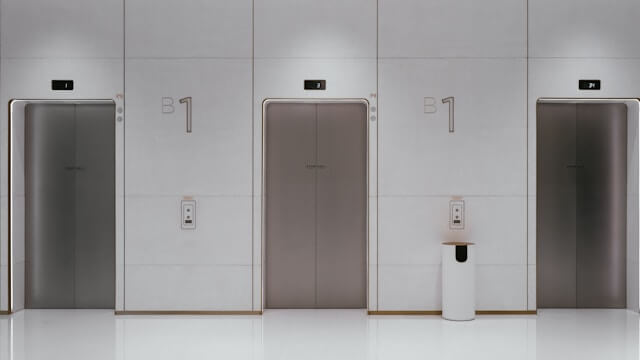
Maintaining a building requires keeping every system running without a hitch. When an elevator stops working, it does more than just block a hallway. It disrupts the flow of people and can halt operations for hours or days. This makes a steady plan for mechanical care a smart move for any property manager.
The Cost of Waiting for Repairs
Reactive fixes often carry a high price tag compared to regular checkups. One report shows that facilities choosing to fix things only after they break face 3.3x more downtime. This approach leads to 2.8x more lost sales for businesses that rely on foot traffic.
The financial hit comes from more than just lost time. Reactive work can cost 3 to 4 times more than planned visits. This happens because of high fees for emergency labor and the cost of rushing in new parts. Staying ahead of these issues keeps your budget steady and your tenants happy.
Planning for Long-Term Value
Building a schedule for mechanical care helps keep the property safe and efficient. Scheduled visits check that parts like cables, brakes, and motors are in good shape. This helps the system use less energy and supports green building goals.
The global market for keeping these systems running reached $35.76 billion in 2025. It is expected to grow as more buildings go up, and older ones need care. Investing in these services now prevents high, unmanaged costs in the future.
Managing High-Traffic Areas
Commercial buildings see the most use and have the highest needs. The commercial sector holds about 45% of the market share for these services. High use means parts wear out faster, so regular inspections are a must.
When things go wrong, getting expert help fast is the priority. Finding reliable elevator repair in Seattle helps managers keep their high-rise offices or apartments moving. Local experts can spot problems before they turn into full building shutdowns.
Benefits of Preventive Maintenance
Preventive care makes up about 40.8% of the service market today. Insurance companies and local laws often require these regular checks. Keeping up with them protects the owner from legal risks and keeps the building within code.
- Preventive care reduces defects by up to 16 times compared to reactive models.
- Regular service can lower the need for total parts replacement early on.
- Keeping a log of repairs helps when it is time to sell or renew insurance.
Modernizing Older Systems
As technology gets better, older elevators may need more than just a quick fix. Modernization helps old machines act like brand-new ones. This part of the industry grew to $15.22 billion in 2026.
Newer tech includes things like smart sensors and better control panels. These upgrades make the ride smoother and faster for everyone. They make the system easier for mechanics to monitor from a distance.
The Rise of Smart Technology
Internet-connected tools are changing how buildings are managed. IoT systems are expected to take over 33.10% of the market revenue by 2027. These tools tell the manager when a part is about to fail.
Having this data allows for repairs to happen before the elevator actually stops. This tech reduces the surprise of a broken lift. It also helps technicians arrive with the right tools the first time.
Labor and Expert Costs
The price of hiring an expert varies by where the building is located. Average hourly rates for this work fall between $75 and $150. Higher rates often apply for specialized systems or emergency weekend calls.
Experience matters when choosing a service team. A tech who knows the specific model of the lift can work faster. This saves money on labor, even if their hourly rate is higher than that of a generalist.
- Hourly labor rates depend on the expertise needed for the specific job.
- Proximity to the service center can lower travel fees for the building owner.
- Long-term contracts often provide better rates than one-off emergency calls.
Following Industry Trends
The market for keeping elevators running is set to hit $68.25 billion by 2034. This growth is driven by a need for safety and better tech in cities. More buildings are adding lifts to meet accessibility rules for all people.
Staying on top of these trends helps owners stay ahead of the competition. A modern, working elevator is a key feature for high-end tenants. It shows that the management cares about the daily experience of the people inside.
Choosing the Right Service Partner
A good service partner focuses on more than just fixing what is broken. They look for ways to make the system last longer. They provide clear reports after every visit so the owner knows the status of the equipment.
Checking the track record of a service firm is a good first step. Look for teams that have worked on similar buildings in your area. This ensures they have the parts and the knowledge to handle your specific needs.
Reliable movement within a building is a cornerstone of professional property management. When the elevators work well, the entire business runs better. Taking the time to plan for these needs today ensures a smoother path for the years ahead. Keeping the machines in top shape protects the building, the budget, and the people who use them every day.