



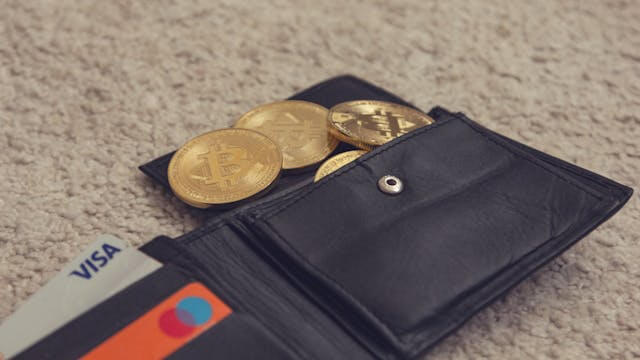
It starts the same way every time: a quiet blockchain, humming along as usual, until suddenly, a wallet that hasn’t moved in a decade springs to life. Millions of dollars in Bitcoin shift in a single transaction, and the crypto world collectively leans in. Who owns it? Where has it been? And why now?
These aren’t just random blips. They’re digital ghost stories, accounts long assumed lost, abandoned, or permanently locked away, suddenly reappearing like they never left.
However, regarding Bitcoin, nothing is ever truly gone. Coins don’t disappear. They just sit, waiting. Sometimes for years. Sometimes for a lifetime. And occasionally, they move again. Learn the best tips to buy & sell crypto on the fomo app, and how you can protect your Bitcoin wallet in this guide.
The Rise of Lost Bitcoin Fortunes
To understand these strange awakenings, you have to go back to the early days of Bitcoin, when it was worth next to nothing and mostly traded among hobbyists, cryptography enthusiasts, and curious tech adopters.
Back then, people mined Bitcoin on personal computers or bought it for pocket change. Security wasn’t exactly top of mind. Private keys were misplaced, passwords forgotten, and entire wallets were stored on devices that ended up lost, broken, or tossed out entirely.
Over time, these small, forgotten holdings ballooned into massive fortunes. Today, it’s estimated that millions of Bitcoins are effectively “lost,” locked away in wallets that no one can access … or so people think.
Can Dormant Wallets Suddenly Wake Up?
Every so often, one of these long-silent wallets stirs. Coins untouched for 8, 10, or even 12 years suddenly move, often in huge amounts. The transactions are public and visible to anyone watching the blockchain, but the identities behind them remain a mystery.
What triggers these moments? Sometimes it’s as simple as someone rediscovering an old hard drive or finally remembering a long-lost password. Other times, it could be the result of years of effort to regain access.
It’s a far cry from today’s streamlined experience, where users can easily buy and sell crypto without worrying about losing access in the first place. Back then, one small mistake could mean losing everything.
4 Theories Behind the Mystery
One theory is the simplest: lost treasure found. Someone stumbles across an old device, recovers the keys, and suddenly has access to millions.
Another possibility is technological progress. As computing power improves, so do methods for recovering passwords or accessing old wallets, though this treads into murky ethical territory.
Then there’s the idea that these wallets were never truly lost. Some early adopters, often called “OG whales,” may have simply chosen to hold their assets in silence, waiting years for the right moment.
Finally, there’s the institutional angle. Could companies or investors be quietly acquiring and unlocking old wallets as part of larger strategies? No matter the explanation, one fact is clear: In crypto, even the past can come back to life.
Why Do These Movements Matter?
When a dormant wallet suddenly transfers a massive amount of Bitcoin, people notice, and not just out of curiosity. These movements can ripple through the market in subtle but meaningful ways.
Large transactions often spark speculation. Is someone preparing to sell? Moving funds to an exchange? Reorganizing long-term holdings? Even without clear answers, the mere possibility can influence sentiment and, in some cases, price.
There’s also a psychological effect at play. These awakenings remind everyone just how much Bitcoin is concentrated in the hands of early adopters. Fortunes built when BTC was worth pennies can still be re-entered at any time.
And then there’s the paradox: Bitcoin is fully transparent but deeply anonymous. You can see the coins move in real time, but you may never know who’s behind the transaction or why it happened.
Lessons for Today’s Crypto Users
Owning crypto doesn’t mean much if you can’t access it. That’s why securing private keys, maintaining backups, and using reliable platforms are essential practices for anyone in the space today. Modern tools have significantly reduced the risk of managing digital assets compared to early users. Still, responsibility sits with the user.
It’s also a reminder to think long-term. Some of the wallets waking up today belong to people who held their Bitcoin for a decade or more. Whether by choice or circumstance, their patience or forgetfulness turned into something remarkable.
Are Any Wallets Ever Truly Forgotten?
Are these wallets really forgotten, or are they just waiting? Each sudden movement adds another layer to the mystery. Somewhere out there, countless wallets remain untouched, holding Bitcoin that hasn’t moved in years. Maybe decades, eventually.
Some will stay locked forever, inaccessible relics of crypto’s early days. Others may wake up tomorrow, next year, or ten years from now, sparking the same questions all over again. In a system where nothing is erased and everything is recorded, the past never fully disappears.