



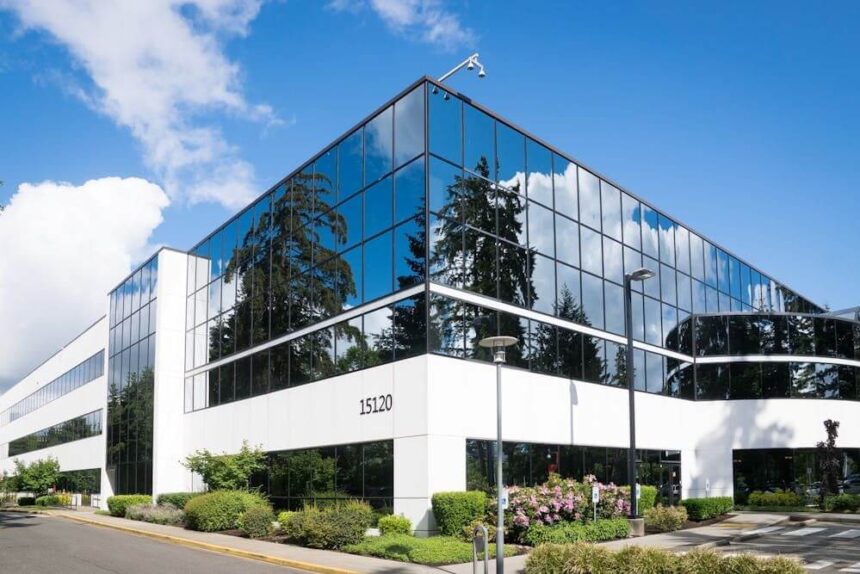
Managing commercial properties today takes more than just keeping the lights on and the keys turned. Modern companies need systems that save time and keep tenants happy without constant manual effort.
Building a solid strategy means looking at how technology and people work together. It is about finding the right balance between high-tech tools and everyday maintenance tasks.
Digital Tools For Better Workflows
Modern teams are moving away from old spreadsheets and paper files to speed up their daily tasks. Using smart software helps offices manage maintenance requests and rent payments in one central place. Many firms find that shifting to these platforms reduces errors in financial reporting.
A recent industry post mentioned that these management tools can cut administrative time in half. This change allows staff to focus on bigger goals instead of getting stuck in endless paperwork. Managing a large team becomes easier when everyone has access to the same live data.
Automation improves efficiency by 40% when teams stop doing manual data entry. These gains help companies grow their property lists without needing to hire a massive number of new workers.
Growing Your Property Portfolio
Expanding a business requires a clear plan for adding new locations and managing existing ones. Keeping every building in top shape helps make sure the company stays profitable and keeps a good reputation. Managing landscaping is a key part of maintaining curb appeal for commercial units.
Good maintenance begins with having the right tools on site. Investing in options such as a weekend-ready lawn mower helps keep the property looking sharp for every visitor. This simple step reflects a commitment to quality that tenants notice.
Reports from the field show that 92% of third-party management companies plan to expand their portfolios through 2025. This growth shows a strong confidence in the market for well-managed commercial spaces.
Building Stronger In-House Teams
Managing a business alongside the physical asset requires a wide range of skills within your own staff. Training workers to handle both tenant relations and technical building issues creates a more versatile workforce. Employee retention improves when staff members feel they have the right tools to do their jobs well.
A global industry report stated that having these skills in-house leads to significantly greater returns for the company. Teams that understand the business side can make better decisions for the property. This internal knowledge helps the firm stay steady during market changes.
Investing in people reduces the need for expensive outside consultants for every small problem. Developing internal talent helps the company stay agile as market conditions shift.
Focus On Green Building Standards
Sustainable practices are no longer just a trend for companies looking to save a bit on electricity. Tenants and investors now look for properties that prove they care about their environmental impact. Investors are often willing to pay a premium for buildings that meet high environmental certifications.
One expert blog highlighted that buildings with lower carbon footprints are much more desirable in today’s market. Lowering energy use directly increases the value of the asset for the long term. This focus helps the planet while helping the company budget.
Greener buildings often have lower operating costs, which helps the bottom line for the management company. Simple upgrades like better insulation or LED lighting make a big difference over several years.
Future Tech Trends In Property Management
Technology is changing how managers interact with their buildings and their tenants through new digital interfaces. High-tech solutions are becoming more common for everything from security to virtual showings. Smart building tech allows for remote monitoring of HVAC systems and lighting.
Recent tech updates suggest that AI and IoT tools promise operational excellence at a massive scale. These systems can predict when a machine might fail before it actually stops working. Using these tools helps managers stay one step ahead of expensive repairs.
Immersive tours allow potential tenants to see a space without having to travel to the site. This saves time for the management team and lets them close deals faster than before.
Using Data For Smarter Decisions
Data collection is no longer optional for companies that want to stay competitive in the real estate world. Tracking every dollar spent and every repair made gives a clear picture of building health. Reviewing these numbers monthly helps managers spot trends before they become expensive problems.
A recent study found that generative artificial intelligence could potentially generate up to $180 billion for the real estate industry. This tech helps managers analyze massive amounts of data to find hidden savings. Using these insights leads to better planning for the next fiscal year.
Using data allows for:
- Accurate budget forecasting
- Lower maintenance costs
- Faster response times
- Better tenant screening
Successful property management combines smart technology with a focus on people and planet. By adopting digital tools and sustainable practices, companies can build a portfolio that lasts for decades. Keeping a close eye on maintenance and tenant needs leads to steady growth.
Staying ahead means being ready to change as new trends and tools emerge. A commitment to efficiency helps make sure that every property remains a valuable asset for the business and the community. Focusing on these core areas builds a stronger future for every commercial property owner.