



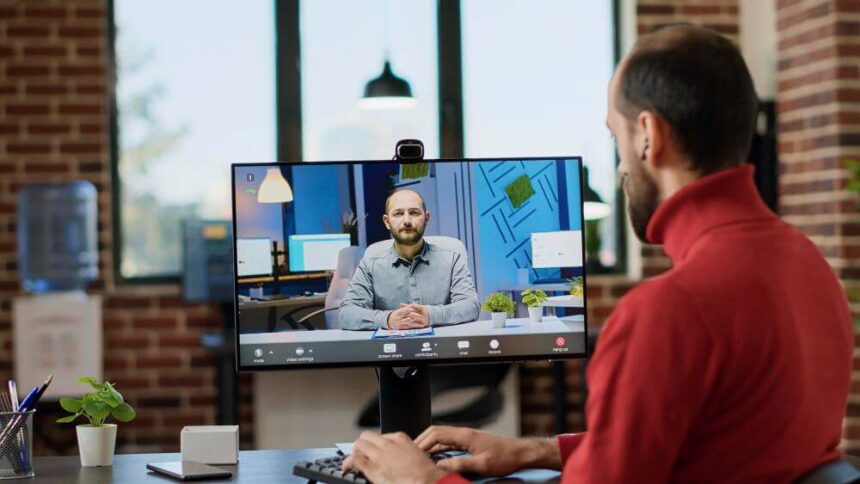
The modern recruitment landscape faces unprecedented challenges. With global talent pools expanding and hiring volumes increasing exponentially, traditional screening methods have become bottlenecks rather than solutions. Organizations receive hundreds, sometimes thousands, of applications for single positions, making it virtually impossible to conduct meaningful first-round interviews with every qualified candidate. This reality has sparked a fundamental shift toward technology-driven screening solutions that can maintain quality while dramatically increasing efficiency.
One way video interviews have emerged as a transformative approach to early-stage candidate evaluation. Unlike traditional phone screenings or in-person preliminary interviews, this methodology allows recruiters to assess candidates asynchronously, creating a more flexible and scalable screening process that benefits both employers and job seekers. The technology represents a significant evolution in talent acquisition, offering insights that text-based applications simply cannot provide while eliminating the scheduling complexities that plague conventional interview processes.
The Current State of Candidate Screening Challenges
Traditional screening methods present multiple operational inefficiencies that compound as organizations scale their hiring efforts. Phone screenings, while personal, require synchronized schedules between recruiters and candidates across potentially different time zones. This coordination challenge becomes exponentially more complex when screening large candidate pools, often extending the time-to-hire by weeks or even months.
Research from the Society for Human Resource Management indicates that the average cost-per-hire has reached $4,683, with time-to-fill averaging 36 days across industries. These metrics reflect, in part, the inefficiencies inherent in traditional screening approaches. Resume reviews, while necessary, provide limited insight into candidate communication skills, cultural fit, or genuine interest in the position. The result is a screening process that either sacrifices depth for speed or accepts prolonged timelines to maintain thoroughness.
Furthermore, traditional methods often introduce unconscious bias into the screening process. Phone interviews can be influenced by accents, speaking pace, or communication styles that may not reflect job-relevant competencies. In-person screenings may inadvertently factor in appearance, location, or other irrelevant characteristics. These challenges have prompted progressive organizations to seek more objective, efficient, and fair screening alternatives.
How One Way Video Interviews Transform Screening Efficiency
One way video interviews fundamentally reimagine the screening process by decoupling interview timing from real-time interaction. Candidates receive interview questions through a digital platform and record their responses within specified timeframes, typically ranging from one to five minutes per question. This approach eliminates scheduling conflicts while providing recruiters with substantially more information than traditional application materials.
The asynchronous nature of this screening method delivers immediate efficiency gains. Recruiters can review candidate responses during optimal hours, pause to take detailed notes, and compare responses directly by viewing multiple candidates consecutively. This concentrated review process often reduces screening time per candidate by 60-70% compared to traditional phone interviews, according to data from leading talent acquisition platforms.
Modern one way video interview software incorporates sophisticated features that enhance the screening experience for both parties. Candidates can re-record responses if technical issues occur, ensuring that technology barriers don’t disadvantage qualified individuals. Many platforms also offer practice questions, allowing candidates to familiarize themselves with the format before submitting official responses. These features contribute to a more equitable screening process while maintaining the efficiency advantages that drive adoption.
Quality one way video interview software also provides analytics and assessment tools that help recruiters evaluate responses more objectively. Some platforms incorporate sentiment analysis, speech pattern evaluation, and even basic competency scoring based on response content. While these automated features should supplement rather than replace human judgment, they can help identify top performers more consistently across large candidate pools.
Implementation Strategies for Maximum Effectiveness
Successful deployment of video screening requires careful consideration of question design, platform selection, and integration with existing recruitment workflows. Questions should be carefully crafted to elicit responses that provide meaningful insight into job-relevant competencies while being answerable within the time constraints of the format.
Effective video screening questions typically focus on specific scenarios, problem-solving approaches, or examples of past experience rather than abstract or theoretical concepts. For instance, instead of asking “What are your strengths?” a more effective question might be “Describe a specific project where you had to overcome a significant challenge. What was your approach, and what was the outcome?” This specificity helps candidates provide concrete examples while giving recruiters tangible information to evaluate.
Platform selection should prioritize user experience for both recruiters and candidates. The best one way video interview software solutions offer intuitive interfaces, reliable recording capabilities, and seamless integration with existing applicant tracking systems. Technical reliability is crucial, as platform issues can create negative candidate experiences that damage employer branding efforts.
Training for recruitment teams is essential for maximizing the value of video screening implementations. Recruiters need guidance on evaluating video responses objectively, recognizing the limitations of the format, and maintaining consistency across candidate evaluations. Some organizations develop scoring rubrics specific to their video screening questions, helping ensure that multiple team members evaluate candidates using consistent criteria.
Measuring Impact and Return on Investment
Organizations implementing video screening typically observe measurable improvements across multiple recruitment metrics. Time-to-screen often decreases by 50-75%, allowing recruitment teams to evaluate larger candidate pools within existing resource constraints. This efficiency gain can be particularly valuable during high-volume hiring periods or when recruiting for multiple similar positions simultaneously.
Quality of hire metrics also tend to improve with well-implemented video screening programs. By providing richer information about candidates earlier in the process, video interviews help recruiters make more informed decisions about which candidates to advance to subsequent interview rounds. This improved filtering reduces the likelihood of poor cultural fits or unqualified candidates progressing to expensive final-round interviews.
Cost savings from video screening implementations can be substantial. Beyond the direct time savings for recruitment staff, organizations often see reduced travel costs for preliminary interviews, decreased scheduling administrative overhead, and improved candidate experience scores that strengthen employer branding efforts. Some organizations report overall recruitment cost reductions of 20-30% following successful video screening implementations.
However, measuring success requires tracking both efficiency and quality metrics. While faster screening is valuable, organizations must ensure that quality of hire and candidate satisfaction remain high. Regular analysis of which candidates succeed in video screenings versus later interview rounds can help refine question design and evaluation criteria over time.
Future Considerations and Best Practices
The evolution of one way video interview software continues to introduce new capabilities that further enhance screening effectiveness. Artificial intelligence integration increasingly provides sophisticated analysis of candidate responses, including communication skills assessment, confidence indicators, and even predictive modeling for job success probability. While these features offer promising potential, organizations should implement them thoughtfully, ensuring that automated analysis supplements rather than replaces human judgment in candidate evaluation.
Best practices for sustainable video screening programs emphasize candidate experience alongside operational efficiency. Clear communication about the process, realistic time expectations, and technical support availability all contribute to positive candidate perceptions. Organizations should also maintain transparency about how video responses will be evaluated and ensure that the screening process aligns with their overall diversity, equity, and inclusion objectives.
As remote work becomes increasingly prevalent, video screening capabilities become even more strategically important. The skills required to communicate effectively through video platforms directly translate to remote work competencies, making video screening both an assessment tool and a job-relevant skills evaluation.
The future of scalable candidate screening clearly points toward technology-enabled solutions that maintain human insight while dramatically improving operational efficiency. One way video interviews represent a mature, proven approach that addresses the fundamental challenges of modern talent acquisition while creating better experiences for all stakeholders in the recruitment process.