



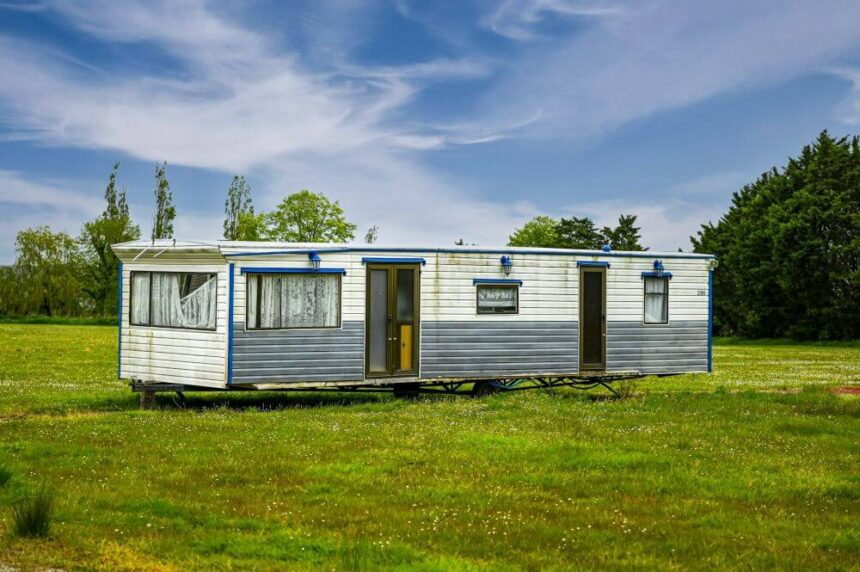
Mobile homes can do more than provide housing. For many small firms, they solve location, timing, and cash flow problems in one move. You get quick space without tying up capital in a long lease or build.
Still, they are not a magic fix. A mobile home helps when the job, site, and budget all fit. It hurts when rules, setup limits, or hidden costs get in the way. Knowing the difference saves time and money.
What Counts As A Mobile Home For Business Use
A mobile home is a manufactured unit built off-site, then moved to your location. Many businesses use them for offices, crew housing, or temporary customer space. The form factor is flexible, which makes planning easier.
Think about the core job to be done. Are you trying to house workers, meet with customers, or stage inventory under a roof? Match the unit type to the primary task first, then add nice-to-have features.
Decide how long you plan to use it. Short projects lean toward rented units. Multi-year needs can justify a purchase, but only if you have a clear exit plan when the project ends.
When A Mobile Home Boosts Productivity
Speed is the top reason mobile homes work. They arrive fast, you set them, you start. For new crews or pop-up sites, that time edge can be the difference between winning and stalling.
If a project ends early or pivots, you may need to unwind quickly. Companies that buy houses for cash, including the Mobile Home Buyer FL team, can be part of that exit plan – so you are not stuck carrying space you no longer use. The goal is agility without waste.
They shine when utility access is nearby. If power, water, and parking are easy, you get near-permanent function at a fraction of the cost of a new build.
Cost And Tax Factors To Weigh
Total cost includes more than the sticker price. Add delivery, site work, permits, utilities, and insurance. Compare that to the cost of delays from not having space at all.
Tax treatment can tilt the math. IRS guidance notes that some businesses may elect Section 179 for qualifying property instead of depreciating it, which can front-load deductions in the year the unit is placed in service. Always check with a tax pro to confirm what applies to your case.
Resale value matters too. If you buy, plan how you will sell or repurpose the unit. If demand is strong in your region, owning can net out well. If not, renting may be safer.
Compliance, Safety, And Setup Basics
Rules are not optional. HUD’s Office of Manufactured Housing Programs sets national construction and installation standards that protect occupants and guide safe setup. Picking units that meet those standards reduces risk and smooths local approvals.
Your site has its own demands. Soil, drainage, and access roads all affect the plan. A simple site can keep costs predictable, while a tight site can add crane time or specialized labor.
Insurance and inspections should be on your timeline. Build a quick checklist for delivery day, utility hookups, and occupant signoff. A clean handoff keeps crews focused on the real work.
Situations Where A Mobile Home Can Hold You Back
Customer-facing brands with high design needs may find a mobile home too limiting. If your space must do heavy lifting for brand image, you might need a custom build or a better storefront.
Tough zoning or neighborhood pushback can stall you. Even compliant units face delays when rules or public meetings run long. If the project is urgent, a different site might be smarter.
Long-term fixed operations may outgrow a temporary unit. If you will add staff, inventory, or machinery soon, the quick solution can become a bottleneck. Map the next 12 to 24 months before you commit.
Real-World Use Cases And Quick Timelines
Contractors use mobile homes as field offices near job sites. The payoff is faster decisions and fewer commutes. When the site wraps, they move the unit to the next project.
Seasonal firms lean on them for short bursts. Think tax prep hubs, festival organizers, or coastal service teams during peak months. The unit appears when needed and vanishes when it is not.
Here is a quick checklist you can copy into your plan:
- Confirm utility access, parking, and delivery path
- Lock permits, insurance, and inspections early
- Set budget bands for setup, rent or buy, and exit
- Assign one on-site owner for handoffs and keys
- Pre-wire simple tech: Wi-Fi, printers, and cameras
How To Decide Fast Without Regret
Start with the decision tree. Is your need short or long? Do customers visit, or is it staff-only? Are there rules that would block you even if the unit is perfect?
Score three paths side by side. Compare rent, buy, and do nothing. Track time to usable space, total 12-month cost, and the exit plan. The winner should be obvious when you see the numbers together.
Run a small pilot if you are unsure. Use a unit for one project and capture the real costs. Document what worked and what slowed you down, then adjust for the next round.
Mobile homes work best when speed, flexibility, and cost control matter more than permanence. Used thoughtfully, they can unlock productivity and keep projects moving without overcommitting resources. The key is choosing them deliberately, with clear timelines, clear rules, and a clear plan for what comes next.