



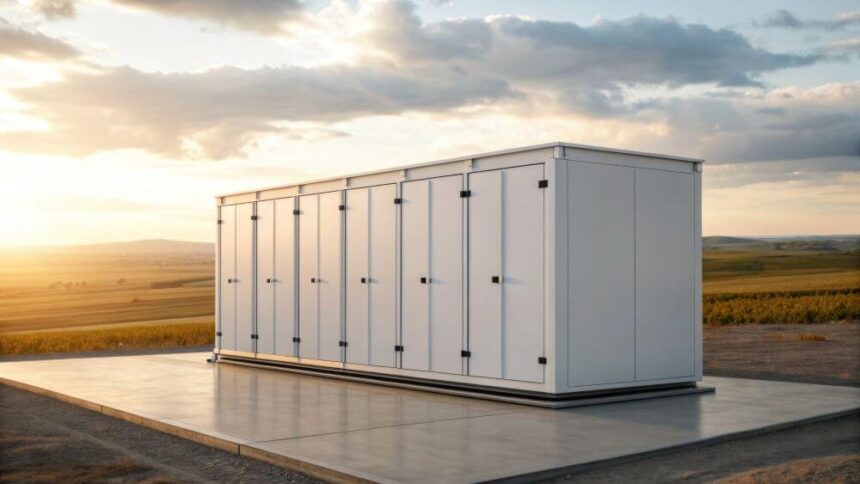
Modern enterprises are abandoning traditional tents and slow construction for advanced rigid wall shelter systems, driven by a superior balance of performance, rapid deployment, and lifecycle cost. From forward operating bases to remote mining camps, these shelters provide the durable, mission-critical infrastructure required today. Learn more about the reasons you need to invest in rigid wall shelter systems.
The Evolution from Tent to Tactical Infrastructure
The legacy of temporary sheltering was long dominated by fabric structures, including traditional pole tents and more advanced systems. While these offer initial portability, they fall short in durability, security, and environmental protection.
Enterprises now demand a rapidly deployable shelter that doesn’t compromise on strength or comfort. This need has catalyzed the development of hybrid and fully rigid systems, leveraging the global standardization of the ISO shipping container for unparalleled logistical efficiency. These units form the foundation of modern containerized facility solutions, providing a robust shell that can be engineered, customized, and deployed anywhere in the world.
Unmatched Durability and Protective Qualities
The core advantage of a true rigid wall system lies in its inherent strength and protective features. Advanced composite materials are at the heart of this revolution. Using composite technology such as a foam core composite or load-bearing insulated foam, manufacturers create panels that are incredibly strong yet lightweight. These panels often utilize a carbon fiber fabric skin bonded through a fusion manufacturing process to a rigid core, resulting in a fire-resistant skin with exceptional impact resistance.
Moreover, the assembly integrity of these structures is superior. High-performance rigid walled shelters employ tongue-and-groove connections and integrated beam panel technology to create monolithic, weather-tight enclosures that resist wind, snow loads, and even blast overpressure. This durability directly translates to safety for occupants, security for sensitive equipment, and a far longer service life than any soft-shell alternative, making rigid-wall camps viable for multi-year projects.
Superior Environmental Control and Energy Efficiency
For enterprises operating in extreme climates, environmental control is a mission-critical requirement. The architectural efficiency of rigid shelters excels here. Their solid walls allow for high insulation levels, with insulation R-value significantly exceeding that of any fabric structure. This inherent thermal efficiency reduces the energy required for heating and cooling.
This energy efficiency is further enhanced by integrated design features. Enterprises can specify optimized LED lighting systems, solar shading devices, and smart electrical distribution panels tailored to the shelter’s load.
The tight envelope and high insulation mean HVAC systems work less, noise is contained, and interior spaces remain comfortable and productive regardless of external conditions. This control directly impacts worker well-being, equipment functionality, and operational fuel logistics, fundamentally improving facility standards to boost productivity and well-being.
Configurability and Scalability for Dynamic Needs
Modern rigid shelters offer remarkable flexibility. Beyond standard ISO footprints, expandable shelters provide a game-changing capability. These units can deploy sidewalls or end walls to instantly double or triple their floor space while maintaining all the protective benefits of a rigid structure. This scalability allows enterprises to start with a compact, transportable footprint and grow the facility on-site as needs evolve.
The modularity of these systems, using standard container interfaces or bespoke tongue-and-groove connections, allows for the creation of complex, multi-story facilities. Offices, medical suites, command centers, and laboratories can be interconnected to form large, cohesive containerized facility complexes. This allows configurations to change as projects evolve from initial forward operating bases to established, semi-permanent camps.
The Logistics and Lifecycle Cost Advantage
The initial procurement cost of a high-end rigid wall shelter system can be higher than a basic tent. However, enterprises invest based on a clear lifecycle cost advantage viewed through the lens of green supply chain management.
Their durability means far lower repair and replacement costs over a decade of use. Their energy efficiency slashes ongoing fuel expenses. Their standardized shipping formats reduce transport headaches and costs.
Furthermore, the rapid deployment capability translates into faster project ramp-up times, which in high-value sectors like oil and gas or disaster recovery, can save millions. When a structure can be flown in, dropped into place, and be fully operational within hours, it provides a strategic agility that directly impacts the bottom line.
The Bottom Line
Enterprises invest in rigid wall shelters for their unmatched strategic value. They deliver a powerful combination of durability, environmental control, and logistical efficiency that soft-shell alternatives cannot match. By ensuring personnel safety, protecting assets, and reducing long-term operational costs, these advanced shelters transform temporary sites into capable, mission-ready infrastructure, proving their worth from remote outposts to disaster zones.