



Running a business often feels like a constant fight for space. You bring in new products, new tools, or new equipment, and before you know it, the place feels crowded. Many business owners deal with this every day. It does not matter if the company is small or large. Space fills up faster than most people expect.
The good news is that you can improve the way you use your space without expensive renovations. Sometimes a few smart changes can open up room you did not know you had. When your business feels organized, everything runs more smoothly. Your team works better, and you waste less time looking for things.
This article walks through practical ways to maximize your physical space. These ideas work for many industries and business types.
1. Use Practical On-Site Storage Solutions
Many businesses run out of room because they keep more inventory, tools, or supplies than what fits inside. When everything piles up, the workspace feels tight. One simple fix is to add on-site storage that sits outside your main building. This gives you quick access to the items you need without taking up valuable indoor space.
Some businesses choose to buy shipping containers because they offer strong, long-lasting storage right on their property. A container can hold equipment, seasonal items, overflow inventory, or anything that takes up too much room inside. Construction companies, retail shops, landscaping teams, and service businesses often use them because they are easy to place and protect items from the weather.
On-site storage helps you keep the inside of your business open and organized. It also gives your team more space to move, work, and complete tasks without stepping over boxes or tools.
2. Reorganize Your Current Layout
You can often free up space by reorganizing the layout you already have. Many businesses collect things they no longer need. Old equipment, unused chairs, or outdated supplies sit in corners and closets. These items take up space that could serve a useful purpose.
Start by walking through your business and noting what you never use. Clear out anything that has not helped your team in months. After you remove the extra items, look at how your desks, shelves, and storage units sit in the room. Try shifting them to create a smoother flow. Even a small change can create a more open feel.
A clean and organized layout helps your team move around with ease. It also makes your space look more professional when clients or partners visit.
3. Add Vertical Storage Options
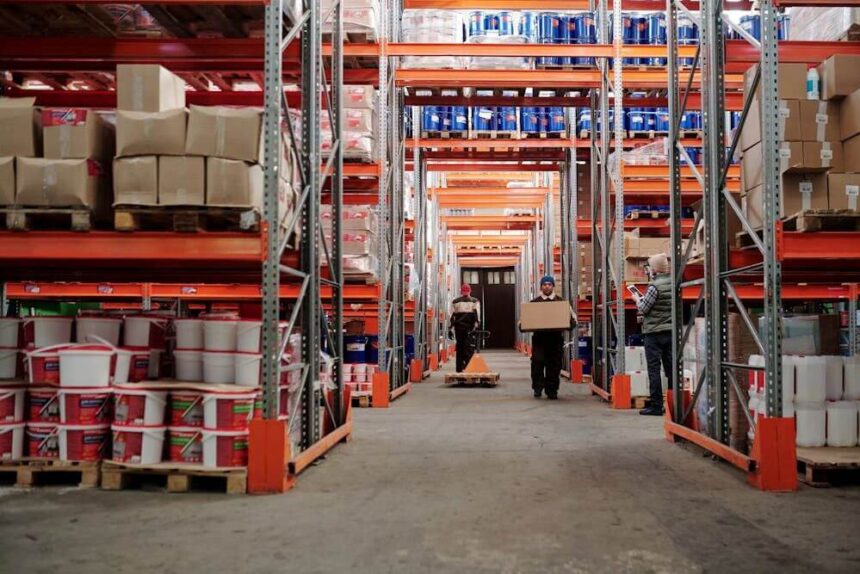
When floor space runs out, look up. Vertical storage works well in offices, warehouses, and workshops. It keeps items off the ground so you can use the floor for daily work.
You can install tall shelving units, wall racks, pegboards, or hanging storage. These simple solutions allow you to store tools, supplies, and small items in a safe and organized way. Make sure everything stays labeled so your team can find what they need without searching.
Vertical storage keeps your space neat and helps you use every inch of the room.
4. Use Multi-Purpose Furniture and Equipment
Choosing furniture that serves more than one function saves a lot of space. Items like foldable tables, storage benches, compact desks, or rolling carts work well in busy environments. They help you make the most of your space without adding clutter.
For example, a bench with built-in storage gives you seating and extra room for items you need to keep close. A rolling cart can serve as a work surface or a storage unit. Multi-purpose pieces help your team stay flexible and organized in a small space.
Pick sturdy items that handle daily use. This keeps your workspace efficient and comfortable.
5. Create Clear Zones for Different Tasks
A business often runs better when each area has a clear purpose. You can create zones for shipping, meetings, equipment, supplies, or production tasks. Each zone helps your team know where things belong and where specific work should happen.
You can mark zones with labels or simple signs. This keeps everyone on the same page. When you set up zones, you avoid clutter. You also make it easier for staff to stay organized and work faster throughout the day.
6. Digitize Paper Records and Supplies
Paper takes up a lot of space. Filing cabinets, storage boxes, and shelves fill up fast. Digitizing your records reduces the need for physical storage. It also helps your team find documents faster.
Use cloud storage, digital receipts, online forms, and electronic filing systems. These tools help you cut down on paper and open up entire sections of your workspace. Once you move things to digital tools, train your team to follow a simple digital filing routine.
7. Improve Inventory Management
Inventory can take up more space than people expect. When businesses store too much, the workspace feels crowded and hard to manage. A good inventory system helps you avoid this problem.
Track your stock levels often. Use inventory software or simple tracking tools. Keep only what you need for regular operations. Clear out old items on a regular schedule. This keeps your inventory lean and prevents overflow.
When inventory stays organized, you open up more space for productive work and reduce wasted time.
8. Use Outdoor Space If Available
If you have outdoor space, you can use it to support your business. A parking lot, open corner, or fenced area can hold storage units, equipment, or weather-resistant structures. This helps you free up indoor space while keeping important items close by.
Make sure the outdoor area stays clean, safe, and well-maintained. Check local rules to ensure you can store items outside. Some areas limit outdoor storage, so it helps to review any requirements before you begin.
Using outdoor space can be one of the easiest ways to expand your usable area without construction.
Maximizing your physical space does not need to feel complicated. Many businesses uncover more room by making small and practical changes. When you take a fresh look at your space, you find new ways to work smarter. These ideas help you make your business feel more open, efficient, and comfortable for your team and customers. If you try even a few of these steps, you can see real improvements in your day-to-day operations.