



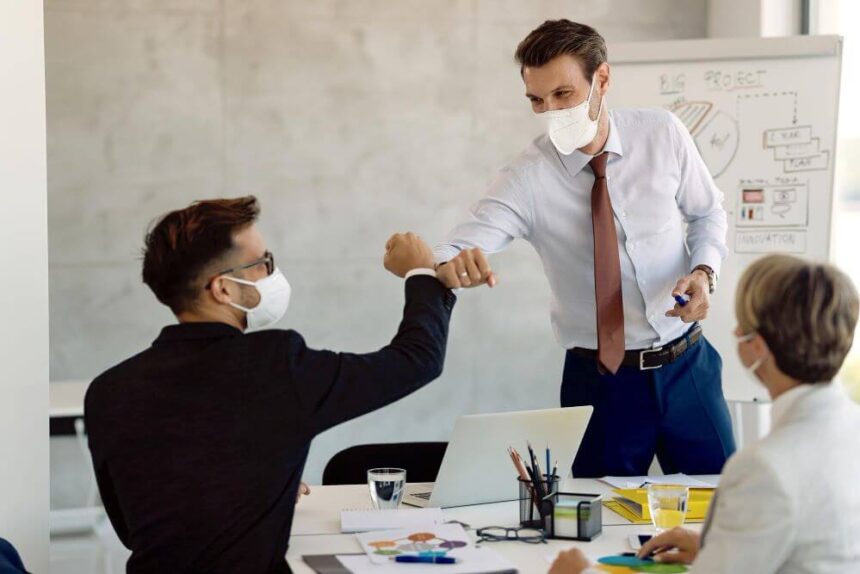
A high-quality physical environment significantly impacts employee performance, focus, and morale. The standards set for a facility are more influential on daily behavior than many leaders realize. Maintaining clean, safe, and well-kept spaces is essential for reducing distractions, safeguarding health, and ensuring consistent productivity. By clearly defining and consistently enforcing these standards, organizations enable employees to minimize the time spent addressing problems and maximize the time devoted to valuable work.
Why facility standards deserve leadership attention
Facility standards define how a workplace functions at a practical level. They cover safety requirements, maintenance routines, cleanliness expectations, and space usability. When these standards lack structure, small issues multiply. Broken fixtures, poor lighting, and inconsistent cleaning routines slowly erode trust and efficiency.
Employees notice these details immediately. A workplace that maintains high standards signals professionalism and respect. That signal shapes how employees show up, interact, and commit to their roles.
What strong facility standards include
Effective standards focus on consistency and usability. They remove obstacles instead of creating workarounds. Strong programs usually address:
• Safety compliance across all shared areas
• Clean and accessible restrooms
• Reliable lighting and ventilation
• Logical space layouts that support movement
• Scheduled inspections and preventive maintenance
The collective routines in each area establish a reliable stability that employees naturally depend on.
The connection between facilities and physical health
Workplace conditions directly influence employee health. Poor air circulation leads to fatigue and headaches. Slippery floors and damaged surfaces increase injury risk. Unsanitary restrooms raise illness concerns and absenteeism.
Strong facility standards reduce these risks through proactive care. Regular inspections identify issues early. Clear cleaning protocols limit exposure to health hazards. Employees experience fewer disruptions tied to preventable conditions, which supports steady attendance and energy levels.
How comfort affects concentration and output
Comfort remains a core driver of focus. Harsh lighting strains eyes and shortens attention spans. Inconsistent temperatures distract employees throughout the day. Excess noise interrupts concentration and increases frustration.
Facility standards address these issues with measured controls. Balanced lighting improves visual comfort. Stable temperatures support physical ease. Noise management supports both collaboration and individual tasks. Employees maintain focus longer when the environment works with them rather than against them.
Restrooms as a critical facility standard
Restrooms often shape employee perception more than offices or meeting rooms. These spaces see constant use and require durable materials and thoughtful layouts. Poor restroom conditions signal neglect and reduce morale quickly.
High-quality partitions support privacy, cleanliness, and long-term performance. Durable materials reduce maintenance interruptions and preserve appearance over time. Organizations seeking reliable solutions can turn to manufacturers such as ASI Global Partitions to support consistent restroom standards across facilities.
Facility reliability and daily productivity
Unreliable facilities disrupt workflow. Employees pause work to report issues, relocate tasks, or avoid certain areas altogether. These interruptions fragment focus and slow progress across teams.
Strong standards reduce these disruptions through predictability. Preventive maintenance lowers emergency repairs. Clear ownership ensures issues receive timely resolution. Employees move through the day with fewer distractions and greater momentum.
Facility standards and mental well-being
The physical environment influences mental strain in subtle ways. Disorganized or poorly maintained spaces raise stress levels over time. Employees expend mental energy adapting to inconvenience rather than focusing on tasks.
Clean, orderly facilities create psychological stability. Employees feel supported rather than overlooked. This sense of care contributes to stronger engagement and lower burnout risk. Over time, mental well-being supports sustained performance and healthier workplace relationships.
Respect, dignity, and shared spaces
Well-maintained facilities are a direct reflection of an organization’s values, particularly its commitment to people. Universally shared areas like restrooms, break rooms, and corridors impact every employee equally. When these spaces are consistently clean and functional, it signals respect for all employees, regardless of their position or title.
This consistent attention to standards builds and reinforces trust. Employees view high facility standards as evidence of the organization’s dedication to professionalism and fairness. This perception, in turn, fosters stronger cooperation and accountability across all departments.
Operational efficiency through standardization
Standardized facility practices simplify operations. Maintenance teams work from clear schedules rather than reacting to complaints. Procurement follows defined quality benchmarks. Leaders track performance using consistent metrics.
This structure reduces guesswork and waste. Budgets stretch further when materials last longer, and repairs occur less often. Employees benefit from stable environments that support productivity without constant adjustment.
Examples of facility standards improving outcomes
Organizations that upgraded lighting systems often report fewer fatigue complaints and higher satisfaction scores. Facilities that invested in durable restroom materials saw reduced maintenance requests within months.
In office environments with scheduled inspections, downtime linked to facility issues declined steadily. Employees reported smoother workflows and fewer daily distractions. These outcomes demonstrate how physical standards translate into measurable performance gains.
How to evaluate current facility standards
Improvement begins with assessment. Leaders should review current conditions against regulatory requirements and operational needs. Employee feedback offers valuable insight into daily friction points.
A structured evaluation includes:
• Walkthrough inspections of all shared spaces
• Review of maintenance logs and response times
• Analysis of recurring complaints
• Assessment of material durability and layout efficiency
This process highlights priorities without relying on assumptions.
Implementing stronger facility standards
Following the initial assessment, strategic planning is crucial. Leaders must prioritize high-impact areas, specifically restrooms, entrances, and primary work zones. To ensure consistent implementation, clear timelines and defined ownership are essential.
Standards require continuous review to remain relevant. As teams expand and workflows change, facility needs evolve. Regular updates are necessary to ensure standards actively support employee needs and avoid becoming outdated.
Aligning facility investment with long-term performance
Facilities represent long-term assets. Short-term fixes often create recurring problems and higher costs. Durable materials and consistent standards reduce total maintenance burden while supporting employee experience.
When facility investment aligns with workforce goals, organizations protect productivity and morale simultaneously. Employees benefit from environments that support focus, health, and dignity throughout the workday.
Conclusion
Consistent and high facility standards are essential for productivity and employee well-being, fostering health, comfort, and dependability. When environments function reliably and convey respect, employees are more likely to perform at their best. By maintaining clear standards throughout all areas, organizations cultivate a supportive and engaging atmosphere that allows people to remain focused daily.