



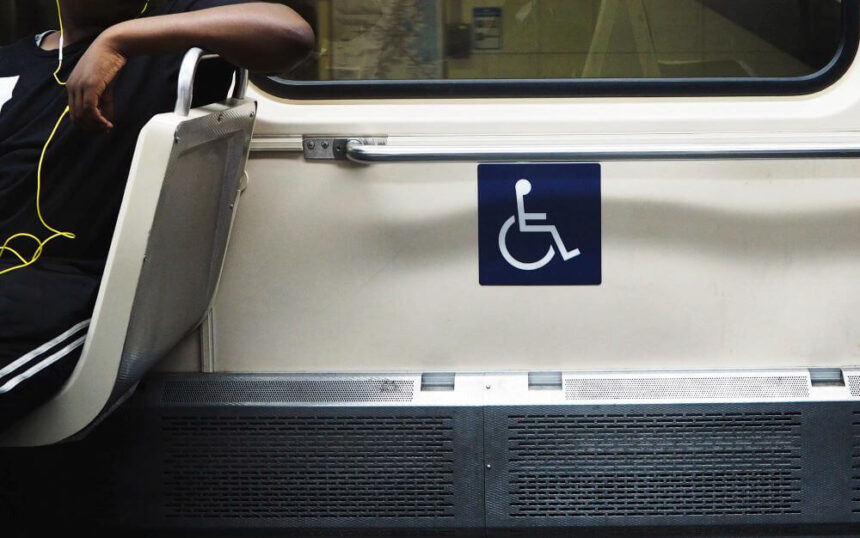
Accessible communication shapes dignity and participation within shared spaces. ADA braille signs transform information into a tactile language that supports confident navigation. These signs carry meaning beyond compliance and foster respect through thoughtful design.
Social inclusion grows when information reaches everyone with clarity. The ada signs bridge gaps between visual text and touch-based understanding. Communities gain stronger connections when guidance feels welcoming and reliable.
These Signs Strengthen Independent Navigation in Public Spaces
Freedom of movement influences social confidence and daily participation. ADA braille signs guide people through entrances, corridors, and service areas with steady assurance. Clear placement reduces reliance on assistance and supports personal autonomy.
Consistent tactile cues encourage exploration within civic buildings, workplaces, and cultural venues. People engage with spaces at their own pace through readable textures and precise labeling. Shared environments become easier to access and more comfortable for diverse users.
Key navigation benefits supported by braille signs:
- Entrances and exits become easier to identify through raised lettering and tactile symbols.
- Room numbers and directories offer dependable orientation across multi-level facilities.
- Emergency routes gain clarity through standardized tactile indicators.
They Encourage Equal Access to Essential Information
Information access defines participation in education, healthcare, and employment. ADA braille signs present critical details through a format that respects varied sensory needs. Equal access nurtures confidence during interactions with institutions.
Clear labeling supports informed choices without pressure or delay. People thus gain control over schedules, services, and destinations through touch-based reading. Inclusion strengthens as communication barriers fade within shared settings.
Information clarity enhanced through tactile signage:
- Restroom identifiers provide privacy and ease during facility use.
- Office labels support professional engagement and workplace inclusion.
- Instructional signs share safety details with dependable precision.
They Support Social Interaction Through Clear Wayfinding
Social connection thrives when spaces feel approachable. Braille signage reduces uncertainty and encourages participation in gatherings, events, and services. Confidence grows when directions feel intuitive and respectful. Wayfinding clarity helps people focus on interaction rather than navigation. Conversations begin with ease when arrival points and service counters feel accessible.
Inclusive design creates environments where engagement feels natural. Consistent tactile cues support smoother transitions between locations and activities. Shared spaces thus gain warmth as accessibility signals consideration and belonging.
Such Signs Build Inclusive Learning and Cultural Environments
Learning spaces depend on access to shared knowledge. Braille signs within schools, libraries, and museums promote exploration through tactile discovery. Educational experiences gain depth when information reaches everyone.
Cultural venues benefit from inclusive signage that invites curiosity. Exhibits, reading rooms, and performance halls gain broader participation through accessible labeling. Communities enrich collective understanding through thoughtful communication tools.
They Promote Awareness and Empathy Across Communities
Inclusive design influences attitudes and awareness. Braille signage signals respect for diverse abilities and encourages empathy within public life. Visibility of accessibility features fosters shared responsibility.
Communities learn through exposure to inclusive practices. Awareness grows as people recognize the value of tactile communication. Social cohesion strengthens through design choices that honor varied experiences.
Thus, ada signs elevate inclusion through clear and respectful information sharing. Independent navigation, equal access, and social engagement gain steady support through tactile design. Communities thrive when communication welcomes every sense.